

Choosing the right office space involves more than just location and aesthetics; the building’s infrastructure is crucial to ensure a comfortable, efficient, and safe working environment. Key components such as HVAC systems, elevators, electrical systems, plumbing, and internet connectivity must be thoroughly evaluated. This guide provides a detailed approach to assessing the infrastructure of potential office spaces.
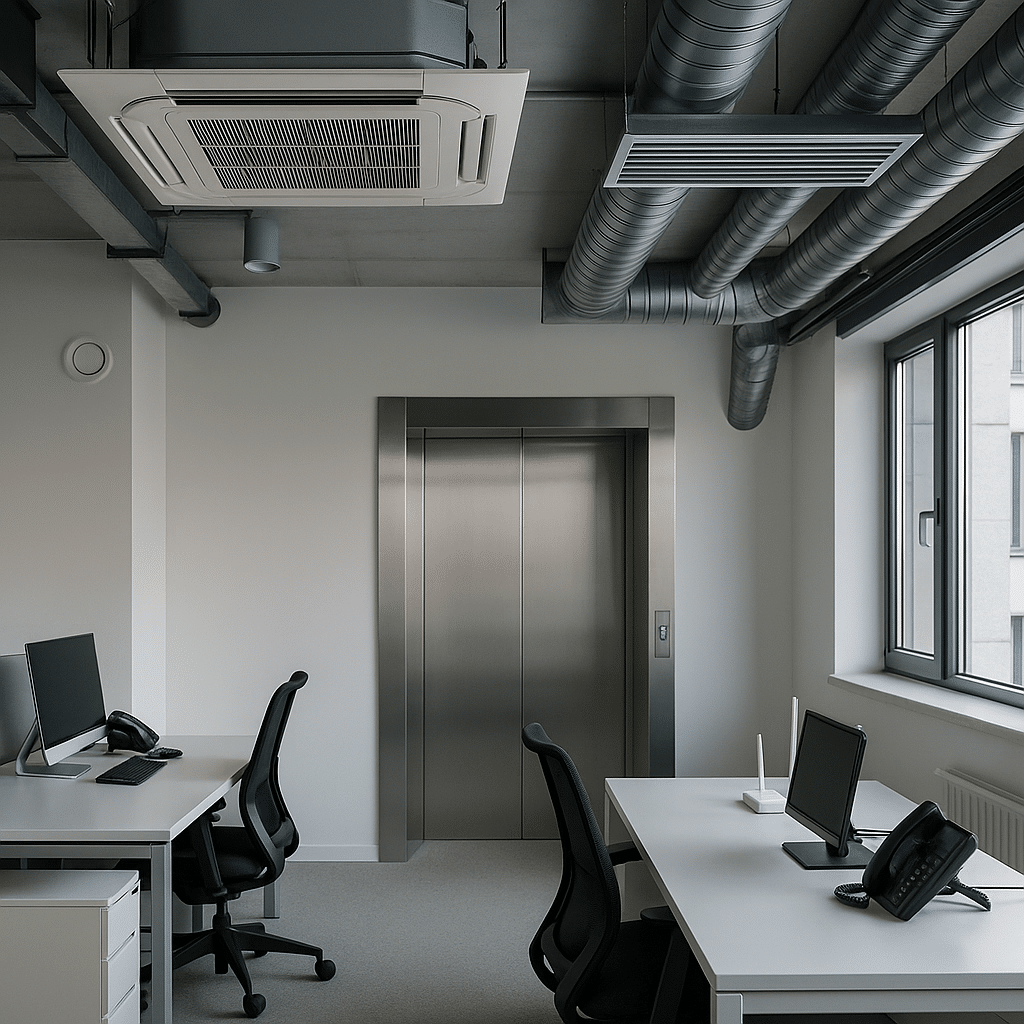

Step-by-Step Guide to Assessing Building Infrastructure
1. Heating, Ventilation, and Air Conditioning (HVAC) Systems
Performance and Condition:
- Efficiency: Check the age and efficiency of the HVAC system. Modern systems are more energy-efficient and cost-effective.
- Maintenance Records: Review maintenance records to ensure regular servicing and timely repairs.
- Temperature Control: Test the HVAC system to ensure it provides consistent and adequate heating and cooling throughout the office space.
Air Quality:
- Ventilation: Ensure the building has a proper ventilation system that provides fresh air and removes contaminants.
- Filters and Air Purifiers: Check if high-quality air filters or purifiers are in place, especially important in areas with poor air quality.
2. Elevator Systems
Availability and Capacity:
- Number of Elevators: Determine the number of elevators and their capacity to handle peak times, minimizing wait times.
- Speed and Efficiency: Assess the speed and efficiency of the elevators, including any smart systems that optimize performance.
Safety and Maintenance:
- Safety Features: Ensure elevators have essential safety features, such as emergency stop buttons, communication systems, and backup power.
- Inspection Records: Review inspection and maintenance records to confirm regular servicing and compliance with safety standards.
3. Electrical Systems
Capacity and Reliability:
- Power Supply: Verify the building’s power supply capacity to ensure it meets your business’s electrical needs.
- Backup Systems: Check for backup generators or uninterruptible power supply (UPS) systems that provide power during outages.
Safety and Compliance:
- Wiring and Outlets: Inspect the condition of electrical wiring and the availability of sufficient outlets in convenient locations.
- Safety Standards: Ensure the electrical systems comply with local safety codes and standards.
4. Plumbing Systems
Condition and Functionality:
- Water Pressure: Test the water pressure in restrooms, kitchens, and any other areas requiring water access.
- Drainage and Plumbing Fixtures: Check for any signs of leaks, rust, or outdated plumbing fixtures that might need replacement.
Maintenance and Compliance:
- Maintenance History: Review records of plumbing maintenance and repairs to identify any recurring issues.
- Compliance: Ensure the plumbing systems meet local health and safety regulations.
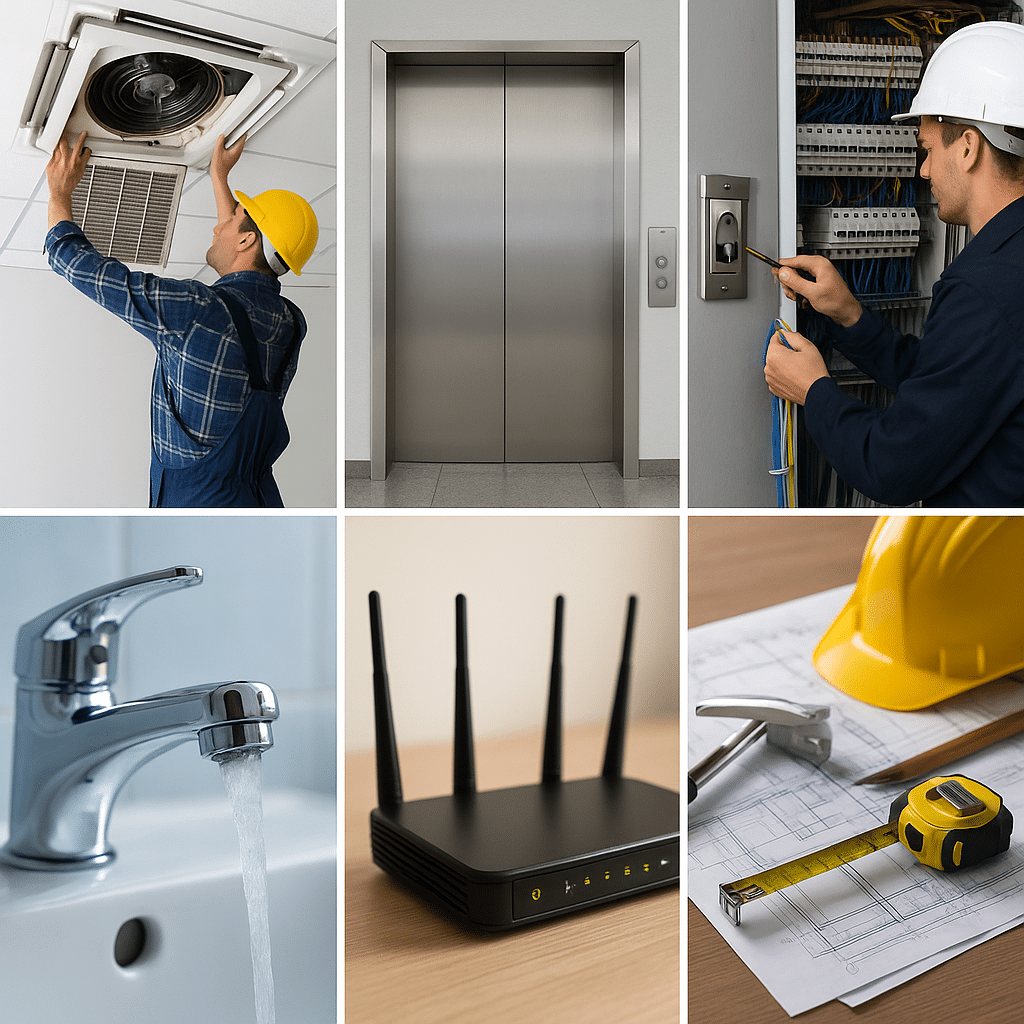

5. Internet and Telecommunications
Connectivity and Speed:
- Internet Providers: Identify available internet service providers and the types of services offered (fiber, DSL, etc.).
- Speed and Reliability: Test the internet speed and reliability to ensure it meets your business’s requirements for daily operations.
Infrastructure:
- Wiring and Ports: Check the building’s wiring infrastructure, including Ethernet ports and wireless access points, for modern standards and sufficient coverage.
- Telecommunications: Ensure the building supports necessary telecommunications services, including phone lines and conference call systems.
6. Structural Integrity and Safety
Building Condition:
- Foundation and Structure: Inspect the foundation, walls, and roof for any signs of structural damage, cracks, or water infiltration.
- Building Age: Consider the age of the building and any recent renovations or structural improvements.
Safety Features:
- Fire Safety Systems: Ensure the building is equipped with adequate fire alarms, smoke detectors, sprinkler systems, and fire extinguishers.
- Emergency Exits: Verify that emergency exits are clearly marked, unobstructed, and comply with local safety codes.
7. Environmental and Sustainability Features
Energy Efficiency:
- Insulation and Windows: Check the quality of insulation and windows to ensure energy efficiency and comfort.
- Energy Certifications: Look for any energy efficiency certifications, such as LEED or Energy Star, which indicate environmentally friendly building practices.
Sustainability Initiatives:
- Green Building Features: Assess any green building features, such as solar panels, energy-efficient lighting, and water-saving fixtures.
- Waste Management: Review the building’s waste management and recycling programs to ensure sustainability.
8. Accessibility and Compliance
ADA Compliance:
- Accessibility Features: Ensure the building complies with the Americans with Disabilities Act (ADA), including accessible entrances, restrooms, and elevators.
- Ramps and Handrails: Check for ramps, handrails, and other features that facilitate accessibility for individuals with disabilities.
Regulatory Compliance:
- Building Codes: Verify that the building meets all local building codes and safety regulations.
- Inspection Reports: Review recent inspection reports from local authorities to ensure compliance with all relevant standards.
9. Engage with Professionals
Building Inspectors:
- Professional Assessment: Hire a professional building inspector to conduct a thorough assessment of the infrastructure and identify any potential issues.
- Detailed Report: Obtain a detailed report outlining the condition of all major systems and any recommended repairs or upgrades.
Technical Experts:
- HVAC Specialists: Engage HVAC specialists to evaluate the heating and cooling systems for efficiency and effectiveness.
- Electrical Engineers: Consult with electrical engineers to assess the capacity and safety of the building’s electrical systems.
Conclusion
Assessing the infrastructure of office spaces is crucial to ensure a comfortable, efficient, and safe working environment for your business. By thoroughly evaluating the HVAC systems, elevators, electrical systems, plumbing, internet connectivity, structural integrity, environmental features, and accessibility, you can make an informed decision and avoid potential issues down the line. Engaging with professional inspectors and technical experts further ensures that all aspects of the building’s infrastructure meet your business’s needs and comply with relevant standards and regulations.
If you would like more information on your properties infrastructure please contact our property management or commercial real estate brokerage team.