

When investing in commercial real estate, especially in office, industrial, or medical properties, assessing the condition of the property is a critical step. This comprehensive assessment helps investors identify potential issues, estimate repair and maintenance costs, and make informed decisions about the property’s value and suitability for their investment goals. Here’s a detailed guide on how to assess property conditions for these types of investments.
1. Initial Inspection and Documentation
a. Visual Inspection
- Exterior: Start with a thorough visual inspection of the property’s exterior. Look for signs of wear and tear, structural damage, and the condition of the roof, walls, windows, and doors.
- Interior: Examine the interior spaces, including common areas, tenant spaces, and utility rooms. Note the condition of flooring, walls, ceilings, lighting, and plumbing fixtures.
b. Documentation
- Photographs and Videos: Take detailed photographs and videos of the property. This visual documentation will be useful for further analysis and future reference.
- Notes: Make comprehensive notes on any visible issues or areas that require further investigation. This will help in creating a checklist for more detailed inspections.
2. Structural Integrity and Building Systems
a. Structural Integrity
- Foundation: Check for cracks or signs of settling in the foundation. Significant issues here can indicate major structural problems.
- Roof: Inspect the roof for leaks, missing shingles, or other damage. A well-maintained roof is crucial for protecting the building from water damage.
- Walls and Beams: Look for cracks, water stains, or other signs of structural damage in walls and beams.
b. Building Systems
- HVAC Systems: Assess the heating, ventilation, and air conditioning systems. Ensure they are in good working condition and consider their age and efficiency.
- Electrical Systems: Check the electrical panels, wiring, and outlets. Ensure that the system meets current standards and can handle the building’s load requirements.
- Plumbing Systems: Inspect plumbing fixtures, pipes, and water heaters. Look for leaks, corrosion, or outdated systems that may need replacement.
3. Office Properties
a. Tenant Spaces and Layout
- Flexibility: Evaluate the layout and flexibility of tenant spaces. Modern office spaces often require open floor plans that can be easily reconfigured.
- Condition: Assess the condition of individual tenant spaces. Look for wear and tear on carpets, walls, and furniture.
- Amenities: Check the availability and condition of amenities such as conference rooms, break rooms, and fitness centers.
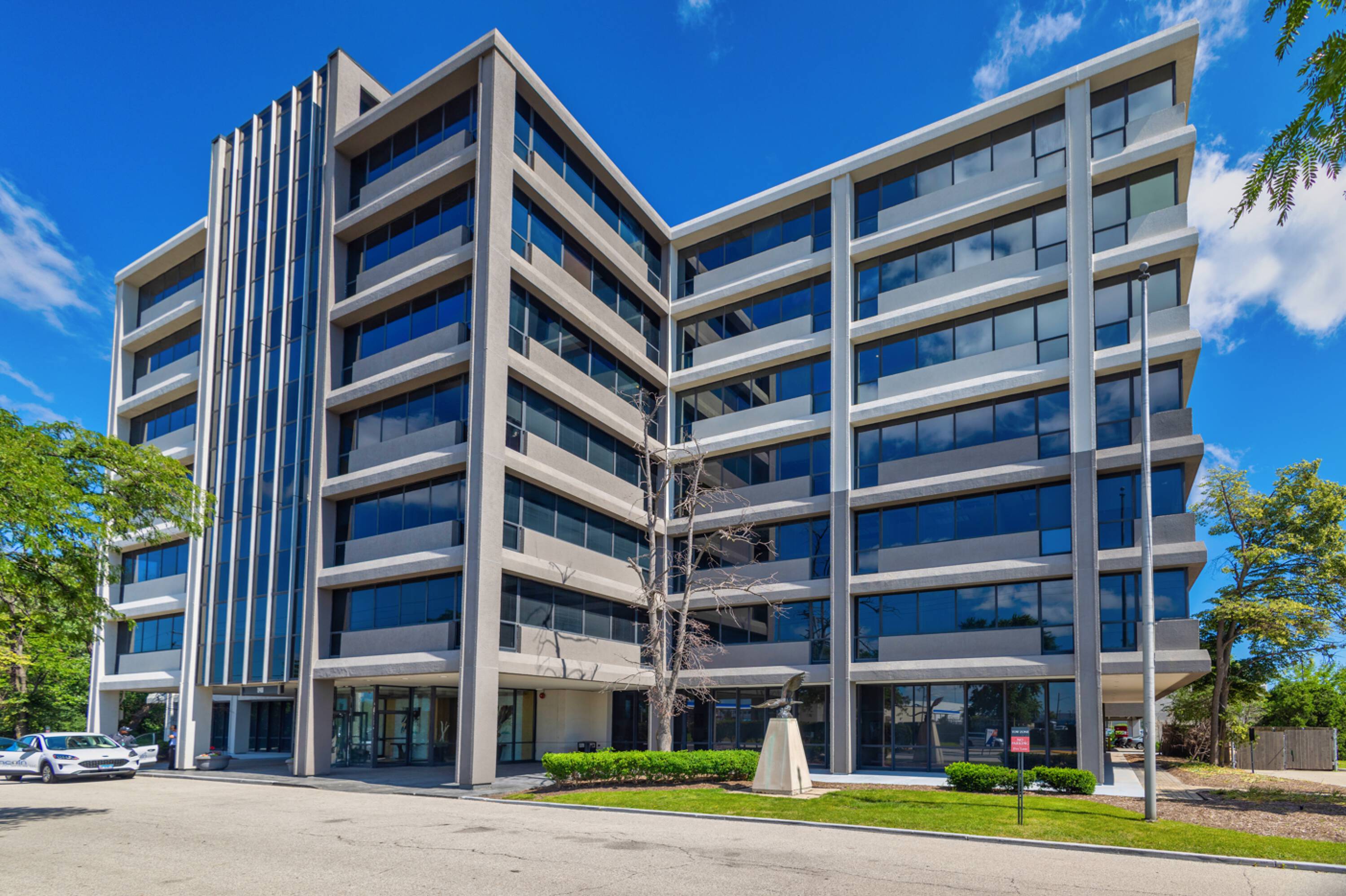
b. Common Areas
- Lobby and Entrances: Ensure the lobby and entrances are welcoming and in good condition. These areas create the first impression for tenants and visitors.
- Restrooms: Inspect restrooms for cleanliness, functionality, and compliance with accessibility standards.
- Elevators and Stairs: Check the condition and safety of elevators and stairwells. Ensure they meet current safety regulations and are well-maintained.
c. Safety and Compliance
- Fire Safety: Verify the presence and condition of fire alarms, sprinkler systems, and fire extinguishers. Ensure that all fire safety equipment is up to date and functional.
- Accessibility: Ensure the property complies with the Americans with Disabilities Act (ADA) and other local accessibility standards. This includes ramps, elevators, and accessible restrooms.
4. Industrial Properties
a. Warehouse and Production Areas
- Flooring: Inspect the flooring for durability and damage. Industrial floors must withstand heavy machinery and high traffic.
- Clear Height: Measure the clear height of the warehouse. Higher clear heights allow for more vertical storage and can attract a wider range of tenants.
- Loading Docks and Doors: Check the condition and functionality of loading docks, doors, and ramps. Efficient logistics are crucial for industrial properties.

b. Specialized Equipment and Infrastructure
- Machinery: If the property includes machinery or specialized equipment, ensure it is in good working order. Consider the cost of maintenance or replacement if necessary.
- Power Supply: Assess the power supply and electrical infrastructure. Industrial properties often require high power capacities for machinery and production lines.
- Environmental Controls: Inspect any environmental control systems, such as ventilation, dust collection, or temperature regulation. These systems are vital for maintaining safe and productive working conditions.
c. Safety and Compliance
- Workplace Safety: Check for compliance with Occupational Safety and Health Administration (OSHA) regulations. This includes safety signage, protective equipment, and emergency procedures.
- Environmental Compliance: Ensure the property complies with environmental regulations, such as waste disposal, emissions control, and hazardous materials management.
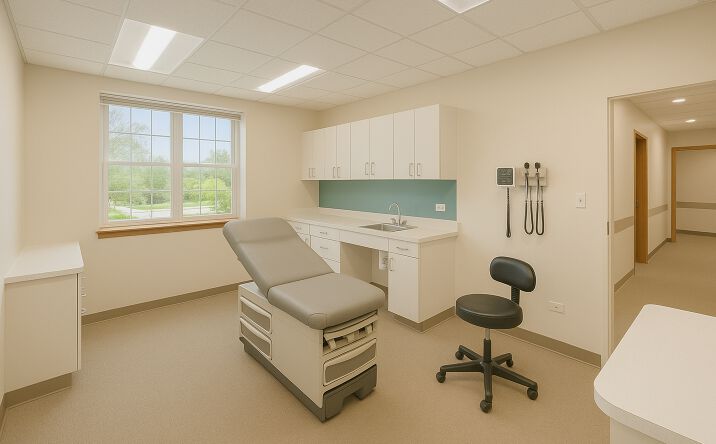
5. Medical Properties
a. Patient and Treatment Areas
- Sanitation: Inspect patient areas for cleanliness and sanitation. Medical properties must adhere to strict hygiene standards to ensure patient safety.
- Accessibility: Ensure that patient areas are accessible and compliant with ADA standards. This includes ramps, elevators, and accessible restrooms.
- Specialized Spaces: Evaluate the condition of specialized medical spaces, such as operating rooms, imaging suites, and laboratories. These areas require specific infrastructure and equipment.
b. Medical Equipment and Infrastructure
- Equipment Maintenance: Check the maintenance records for medical equipment. Regular maintenance is essential for ensuring the reliability and safety of medical devices.
- Utility Systems: Assess the condition of utility systems, such as medical gas lines, water purification systems, and backup power supplies. These systems are critical for the operation of a medical facility.
- IT Infrastructure: Examine the IT infrastructure, including network capabilities and electronic health record (EHR) systems. Robust IT infrastructure is essential for modern medical practices.
c. Safety and Compliance
- Regulatory Compliance: Ensure the property complies with healthcare regulations, such as those set by the Centers for Medicare & Medicaid Services (CMS) and the Joint Commission.
- Fire Safety: Verify the presence and condition of fire safety systems, including alarms, sprinklers, and evacuation plans. Medical facilities must meet stringent fire safety standards.
- Emergency Preparedness: Check the property’s emergency preparedness plans and equipment. This includes emergency exits, evacuation routes, and backup systems.
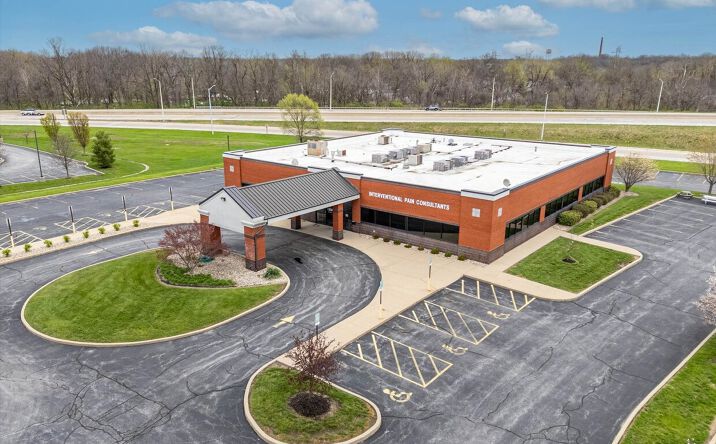
6. Professional Inspections and Assessments
a. Hiring Experts
- Structural Engineers: For a detailed assessment of the building’s structural integrity, hire a structural engineer. They can identify hidden issues that may not be visible during a general inspection.
- Mechanical and Electrical Engineers: These professionals can thoroughly evaluate the HVAC, electrical, and plumbing systems.
- Environmental Consultants: An environmental consultant can assess the property for environmental hazards, such as asbestos, lead paint, or soil contamination.
b. Specialized Inspections
- Roof Inspection: A professional roof inspection can identify potential leaks, damage, or areas that may need repair or replacement.
- Pest Inspection: Ensure the property is free from pests, such as termites or rodents, which can cause significant damage.
- Fire Safety Inspection: A certified fire safety inspector can evaluate the property’s compliance with fire safety regulations and identify necessary improvements.
7. Financial Implications
a. Cost Estimation
- Repair and Maintenance Costs: Estimate the cost of necessary repairs and maintenance. This includes immediate repairs and ongoing maintenance to keep the property in good condition.
- Upgrades and Improvements: Consider the cost of any upgrades or improvements needed to attract tenants or meet regulatory requirements.
- Operational Costs: Calculate the expected operational costs, including utilities, insurance, and property management fees.
b. Impact on Investment
- Budgeting: Incorporate the estimated costs into your investment budget. Ensure you have adequate reserves for unexpected expenses.
- ROI Analysis: Assess how the condition of the property and the associated costs will impact your return on investment. This includes analyzing cash flow, net operating income (NOI), and potential appreciation.
Conclusion
Assessing the condition of office, industrial, and medical properties is a critical step in the commercial real estate investment process. A thorough evaluation of the property’s structural integrity, building systems, tenant spaces, and compliance with regulations provides a clear picture of its current state and potential future costs. By hiring professional inspectors and carefully analyzing the financial implications, investors can make informed decisions that minimize risks and maximize returns. Whether investing in office spaces, industrial warehouses, or medical facilities, a detailed property condition assessment ensures a solid foundation for successful and profitable investments.
To learn more, reach out to our team of commercial real estate agents!
Sign Up For A Free Consultation