

In a high-growth market, inefficiency hides in plain sight, tolerated, even ignored, in the name of growth. But in a down market, every inefficiency becomes a liability. Nowhere is that more visible than in logistics real estate.
For occupiers, especially manufacturers, e-commerce players, and 3PLs, how a warehouse or distribution center functions has a direct and measurable impact on profitability. In this blog post, we’ll explore the critical role that logistics efficiency plays during market contractions, looking closely at how occupiers make decisions, what features landlords can no longer afford to overlook, and why efficiency is fast becoming the dominant factor in both leasing decisions and long-term value creation.
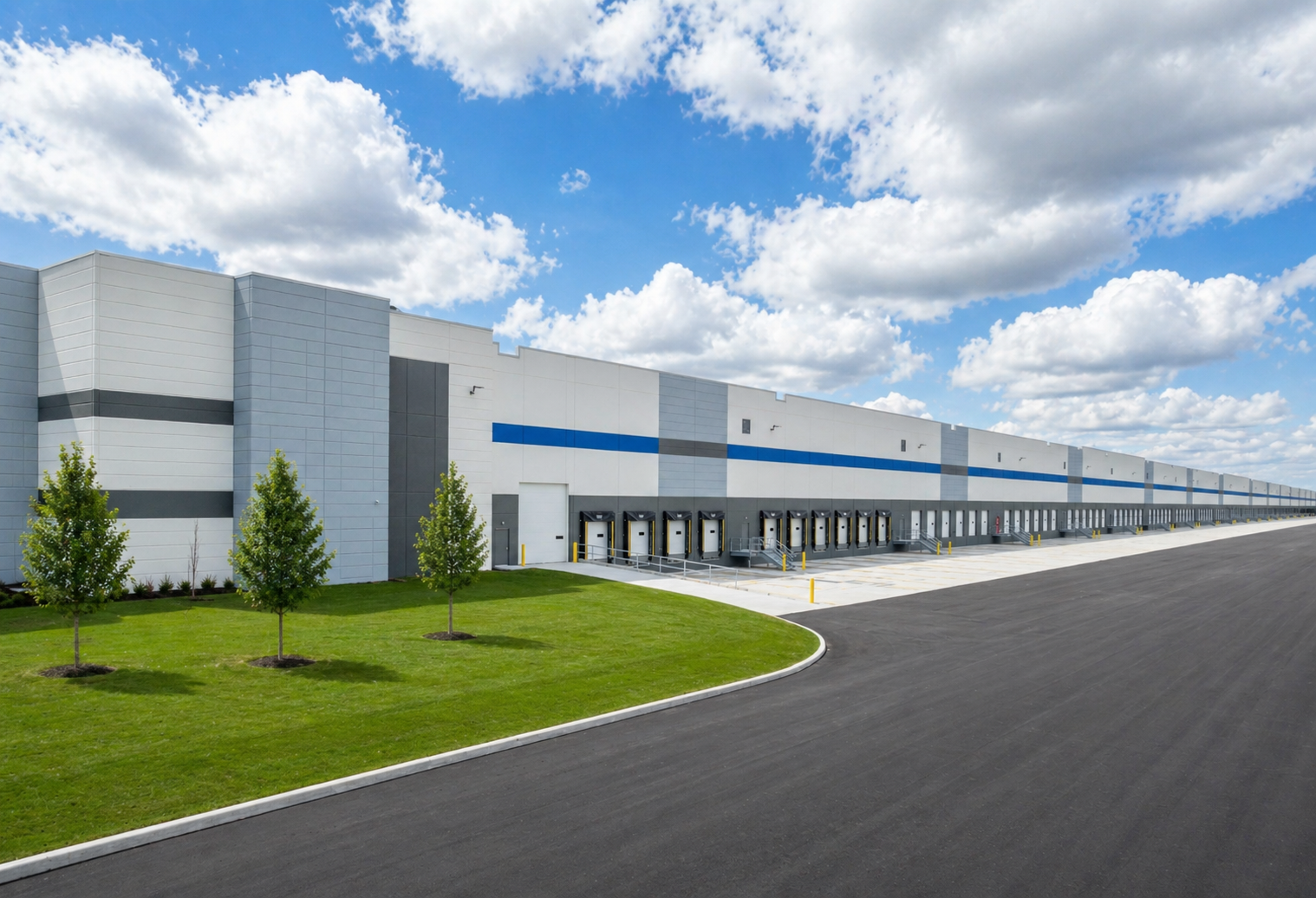 1. Efficiency: A Lifeline in a Down Market
In a tight margin environment, logistics operations feel every added step, every wasted minute, and every extra foot of travel. Whether it’s due to inflationary pressure, softening consumer demand, or excess inventory, many logistics companies are looking inward, seeking cost containment and productivity, not expansion.
In this climate, the physical characteristics of logistics space play an outsized role in operational efficiency:
-
Clear Height & Vertical Utilization: A 32’ clear warehouse isn’t just “newer,” it’s fundamentally more valuable per square foot for occupiers running high-throughput operations. When budgets are tight, tenants care less about nominal rent and more about the cost per pallet position.
-
Dock-to-Storage Flow: Poor layouts slow operations. Efficiently designed spaces with proper dock ratios, staging areas, and minimal internal column disruption reduce internal transit time, shaving seconds off every pick and pack task that add up to hours and days in annual labor costs.
-
ESFR Systems & HVAC: Efficiency also means reducing risk and maintaining uptime. Updated systems like ESFR sprinklers, HVAC-controlled zones (for food or pharma), and LED motion-sensor lighting contribute to safety, energy savings, and regulatory compliance.
From a business perspective, those features translate into real ROI, especially when access to capital is tight and margin pressures mount.
2. Why Occupiers Are Reevaluating Their Footprints
In a down market, occupiers aren’t always downsizing; they’re right-sizing. Instead of focusing solely on rent, they’re laser-focused on performance per square foot.
Here’s how that shift plays out:
a. Consolidation Over Expansion
Instead of leasing two functionally obsolete 100,000-square-foot buildings, a tenant might consolidate into a single 160,000-square-foot Class A facility. Even if the rent per square foot increases, the overall cost savings from reduced labor, better throughput, and optimized inventory turns justifies the switch.
b. Focus on Throughput, Not Just Location
In a bull market, proximity to customer base was the top priority. In today’s climate, occupiers are balancing that with total landed cost. A location with a marginally longer drive time may still be preferred if the space allows for higher pick rates and reduced headcount.
c. Workforce and Automation Integration
Buildings that accommodate automation—clear height, floor flatness, electrical capacity, and broadband infrastructure—become essential. Even tenants not using full robotics today want “future-proof” space. Occupiers are looking to reduce headcount volatility and improve retention by leasing more efficient, worker-friendly spaces that support automation and ergonomic design.
3. How Efficiency Influences Leasing Velocity
From a commercial real estate perspective, efficiency is now the anchor of leasing performance.
In previous cycles, landlords could lease older product by discounting rent. Today, many tenants skip those buildings entirely—either due to the high total cost of occupancy or the operational limitations they introduce.
Key takeaways:
-
Functional Obsolescence Is Immediate, Not Gradual
In a tight market, tenants tolerated low ceilings and outdated dock equipment. In a soft market, those flaws kill deals. Class B and C industrial assets see vacancy rise sharply, even if asking rents are competitive. -
Rent Is a Smaller Slice of the Pie
For many logistics companies, rent represents only 5–8% of total supply chain costs. That’s why modern, efficient buildings can command a premium—because a 10% rent increase is dwarfed by a 30% gain in labor or inventory efficiency. -
Fast-Moving Occupiers Need Plug-and-Play
In today’s leasing cycle, speed matters. Buildings that are move-in ready—fully sprinkled, well-lit, with ample dock equipment—are preferred over older shells that require weeks or months of buildout. Time is money, especially when you’re consolidating.
4. Landlord Implications: The Risk of Standing Still
For property owners and developers, failing to prioritize efficiency has real downside risk in a down market:
-
Vacancy Risk in Obsolete Product
Buildings with 16’–20′ clear height, poor dock ratios, or limited trailer parking are disproportionately likely to sit vacant. These features aren’t cosmetic—they’re operational chokepoints for occupiers. -
Capital Expenditure Pressure
To remain competitive, landlords may need to retrofit older assets: upgrading lighting, fire protection, and dock systems; adding trailer parking; or investing in stronger broadband. Capex budgets need to account not only for tenant improvement but also functional upgrades. -
Differentiation Is a Necessity, Not a Bonus
With more space available on the market, tenants are increasingly selective. Efficiency becomes the story. Marketing an industrial building today is less about “location, location, location” and more about “loading, layout, lighting.”
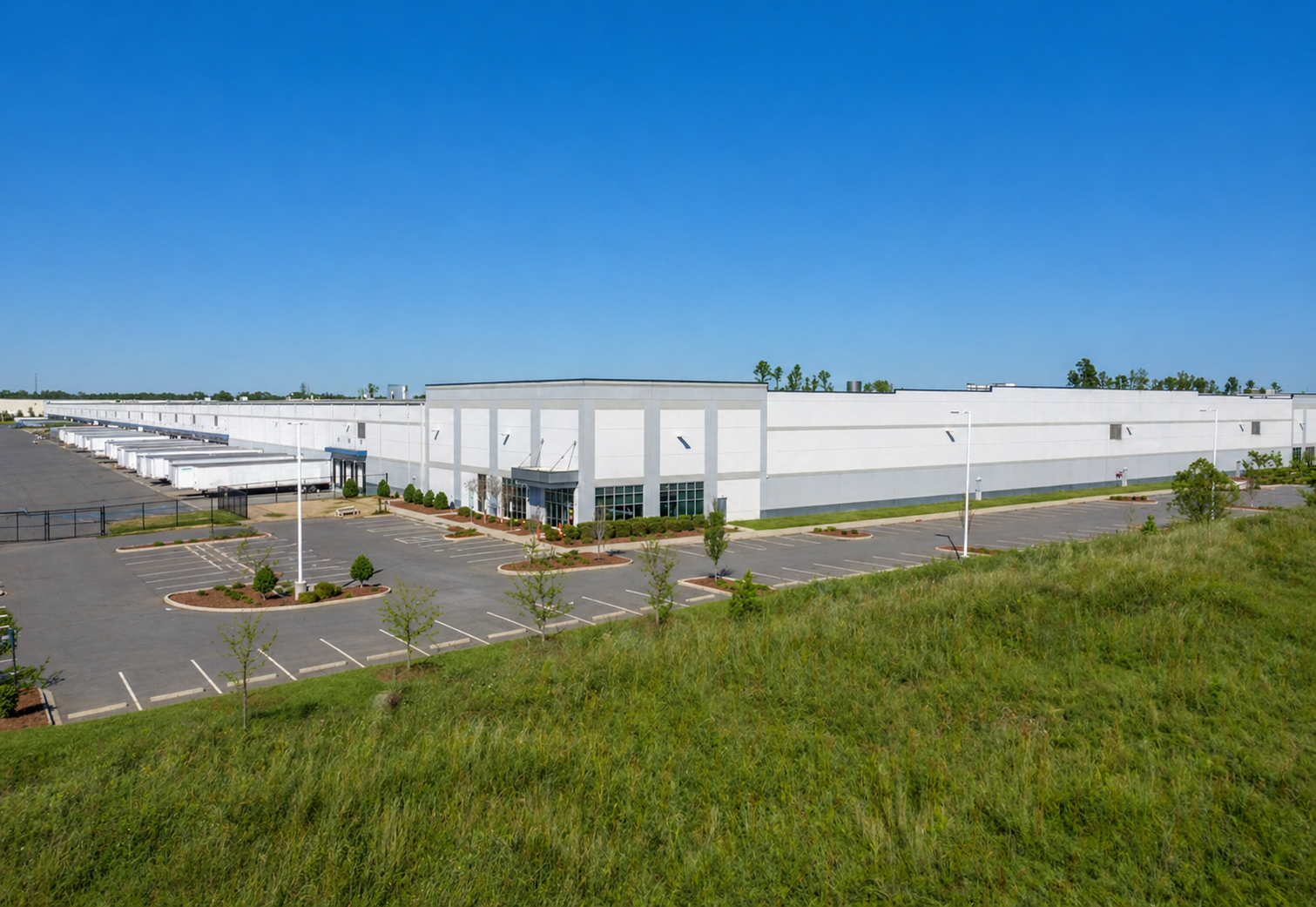 5. Metrics That Matter to Occupiers
To serve logistics users effectively, brokers, landlords, and investors must think like operators. Here are the key efficiency metrics that occupiers are scrutinizing in 2025:
| Metric | Why It Matters |
|---|---|
| Clear Height (≥32’) | Maximizes storage density per square foot |
| Dock High Doors per 10k SF | Affects inbound/outbound velocity |
| Trailer Parking Ratios | Essential for staging and cross-dock efficiency |
| Column Spacing | Impacts racking layout and equipment maneuverability |
| Lighting & HVAC | Boosts productivity, reduces energy cost |
| Floor Load Capacity | Supports automation and heavy goods handling |
| Proximity to Labor | Workforce availability = throughput potential |
Tenants in a down cycle don’t just want space, they want space that works. Efficiency is no longer a luxury; it’s the only path to profitability.
Conclusion: Efficiency Is the New Currency
In logistics real estate, market cycles come and go, but operational performance is forever. In a down market, occupiers scrutinize every square foot. Brokers must bring operational fluency to the table. Landlords must invest in functional upgrades. And tenants must treat space not as a sunk cost, but as a tool for survival and competitive advantage.
Efficiency doesn’t just help you survive a down market… It’s how you win it.
If you would like to learn more about the industrial market or nearby industrial space, please reach out to our team of Chicago commercial real estate brokers!
Sign Up For A Free Consultation