

After months of caution and conservative development pipelines, speculative construction in Chicago’s industrial market is picking up steam. According to The Real Deal, developers across the region are starting to move dirt on new industrial projects without tenants in tow—a bold bet on continued demand and a sign of renewed confidence in the region’s logistics and manufacturing future.
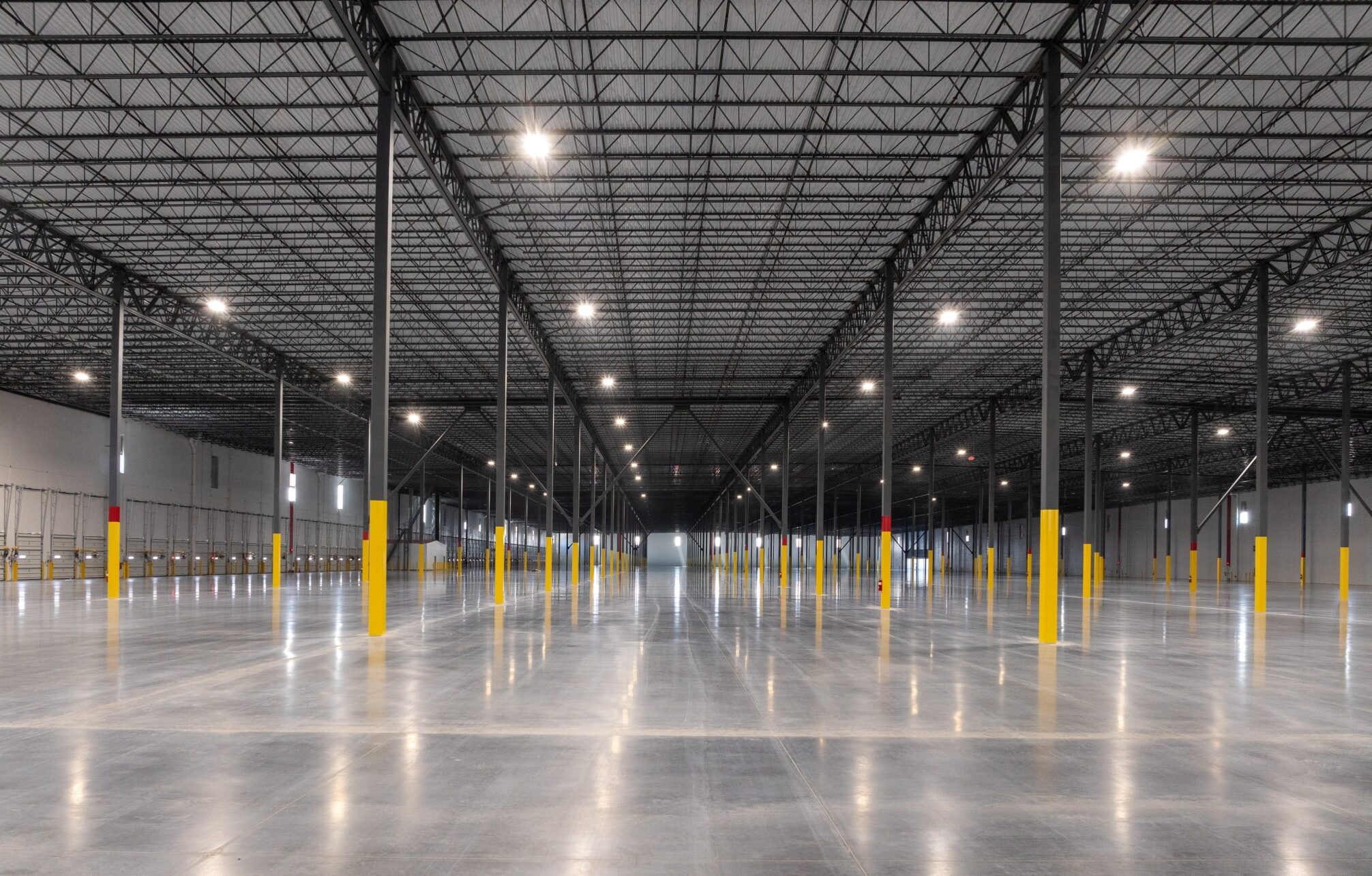 While much of the industrial construction in the last two years was build-to-suit, developers are now planting flags on unleased space, betting on absorption across key submarkets like O’Hare, I-55, and the I-80 corridor.
A Wave of Spec Development
Per The Real Deal’s July 21 reporting, more than 2 million square feet of speculative space has broken ground in recent months in metro Chicago, with projects from national and regional players alike. Among them:
-
Bridge Industrial is moving forward on multiple sites, including a redevelopment in Melrose Park.
-
Logistics Property Company has resumed speculative efforts near the I-355 corridor.
-
Scannell Properties is reportedly launching two speculative buildings in Elgin and North Aurora.
These projects mark a clear shift from the “wait and see” attitude that has defined 2023 and early 2024. The surge in activity suggests developers believe that e-commerce growth, reshoring, and continued supply chain demand will carry the market into a new phase of absorption, despite rising interest rates and broader economic uncertainty.
What’s Driving the Push?
Several factors appear to be fueling the return of speculative construction in the Chicago industrial market:
-
Low Vacancy in Key Submarkets
Even with a slight uptick in vacancy across the broader market, core logistics hubs like O’Hare remain tight. Modern Class A space is still in short supply relative to demand. -
Flight to Quality
Occupiers are prioritizing newer, more efficient warehouses with better loading, ceiling heights, and ESG compliance. Many older buildings simply can’t compete. -
Manufacturing & Reshoring Tailwinds
Illinois continues to attract advanced manufacturing tenants, and there’s renewed confidence that Chicago’s central location will keep it at the heart of the U.S. logistics network.
Risks Still Loom
Of course, not everyone is bullish. Leasing velocity has slowed from its 2021 peak, and many larger deals are taking longer to ink. Interest rate uncertainty remains a barrier for both developers and tenants with capital-intensive buildouts. Additionally, some observers are concerned that speculative development could get ahead of demand if tenant activity doesn’t accelerate.
The developers currently launching speculative projects are being more disciplined than during previous booms. Many of the projects underway are sized below 300,000 square feet and located in infill or last-mile locations with historically strong absorption rates.
What This Means for Tenants & Investors
For occupiers, this new wave of speculative construction means more options and better leverage in lease negotiations, especially in submarkets that previously had little to offer. However, tenants will need to act fast. The best-located spec projects often lease up quickly once walls go vertical.
For investors, the increase in speculative development reflects confidence in Chicago’s fundamentals, but it also calls for scrutiny. Not all submarkets are created equal, and success will hinge on execution, timing, and location.
If you’d like to learn more about the Chicago Industrial Market, reach out to our team of local commercial real estate agents.
Sign Up For A Free Consultation