

Distressed Debt Dominates
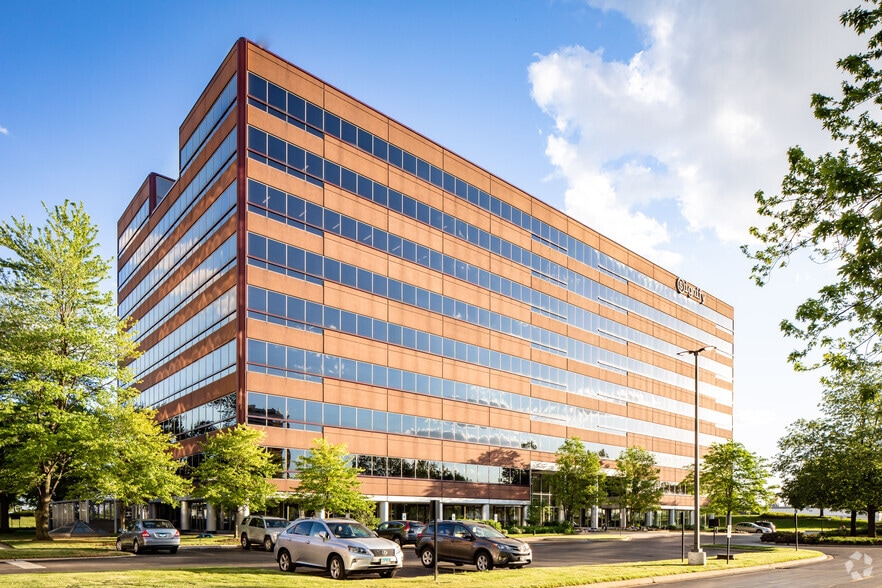
The acquisition of the O’Hare International Center loan at 10255 and 10275 Higgins Road in Rosemont highlights just how far suburban office values have fallen. The $47.3 million non-performing mortgage, originally tied to Bridge Investment Group’s $64 million purchase, just sold at a steep discount, reportedly around $26.5 million. That’s less than half the loan’s original value, underscoring how lenders like Regions Bank are taking heavy losses in the submarket.
Investor Opportunity vs. Owner Pain
For Bridge Investment Group, which poured an additional $8 million into improvements, the deal illustrates the difficulty of justifying further capital in an office space market where leasing absorption has been negative for years. Even with the property 76% leased, the math doesn’t work when tenants are demanding steep concessions and rents stagnate. For opportunistic buyers like Dry Creek Capital, however, discounted debt opens the door to acquire assets at a basis that makes repositioning, or even considering office conversion, more feasible.


O’Hare’s Struggles Are Structural
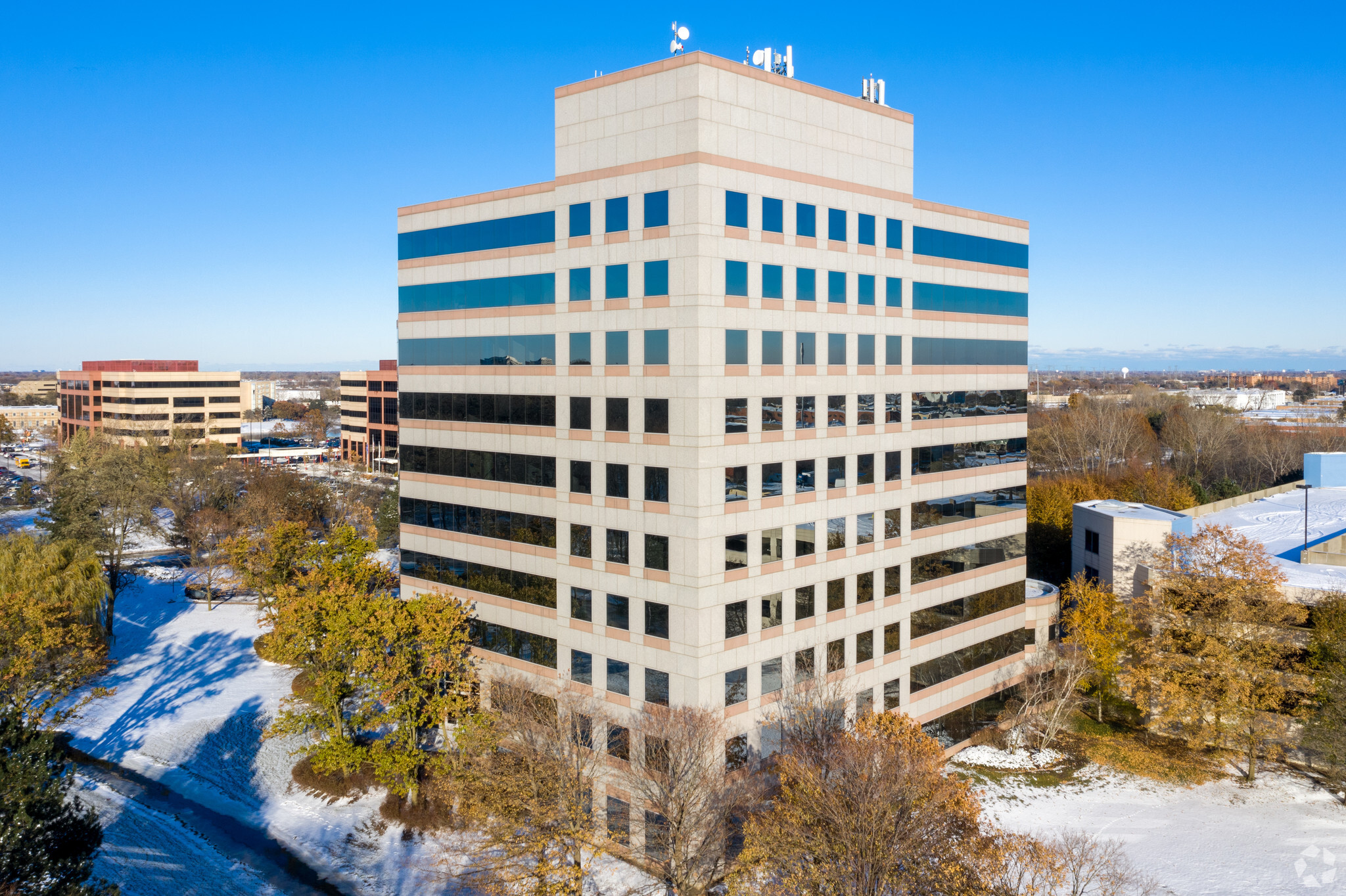
This isn’t an isolated case. Dry Creek’s earlier seizure of 25 Northwest Point Boulevard in Elk Grove Village followed a similar pattern: debt acquired at a discount, then control of a property that had seen multiple value declines over two decades. The O’Hare office corridor, once prized for accessibility and business travel, is now emblematic of suburban Chicago’s structural challenges, vacancy averaging over 30%, hybrid work reducing long-term demand, and landlords reluctant to reinvest without clear absorption.
Implications for the Market
-
Valuations Resetting: Sales and loan trades around O’Hare suggest property values are now closer to half of what they were during the last cycle.
-
Future Conversions Possible: With debt pricing this low, investors may evaluate office conversion plays to residential, hotel, or even industrial real estate, though large floorplates and suburban zoning complicate the picture.
-
Tenant Leverage: Companies looking for office space near O’Hare have extraordinary leverage, with landlords offering aggressive concessions and flexible terms to preserve occupancy.
Bigger Picture
Dry Creek’s “ton of dry powder” signals more acquisitions could be on the horizon, creating a cycle where distressed debt investors replace traditional landlords in O’Hare. The submarket may stabilize only when values are reset enough that new owners can profitably reinvest or reposition. Until then, the O’Hare office market remains a textbook example of how commercial real estate agents must navigate distress, tenant concessions, and the looming shadow of alternative uses.