

Mass timber has moved from architectural eye candy to a serious contender in commercial development. On this episode of The Real Finds Podcast, I sat down with Justin Den Herder, structural engineer, professor at The Cooper Union, and principal at global engineering firm TYLin, to talk through what mass timber really means for developers, investors, architects, and anyone underwriting the future of commercial real estate.
What starts as a discussion about wood quickly expands into a conversation about embodied carbon, adaptive reuse, cost premiums, tenant experience, regulatory hurdles, and why forests matter to your next pro forma. Mass timber is no longer a niche. It is a structural system that sits at the intersection of economics, sustainability, and value creation.
This episode is for anyone exploring alternatives to concrete and steel in a market where capital is tight, tenant experience drives absorption, and sustainability is becoming part of underwriting rather than an afterthought.
From Heavy Timber Conversions to Mass Timber Innovation
Justin’s path into mass timber started long before CLT and glulam became part of the development vocabulary. As a structural engineer, he spent the early part of his career working on heavy timber and masonry conversions. These projects, often involving cutting openings, adding new floor plates, and even stacking new levels on old industrial buildings, showed him how timber behaved differently from other materials.
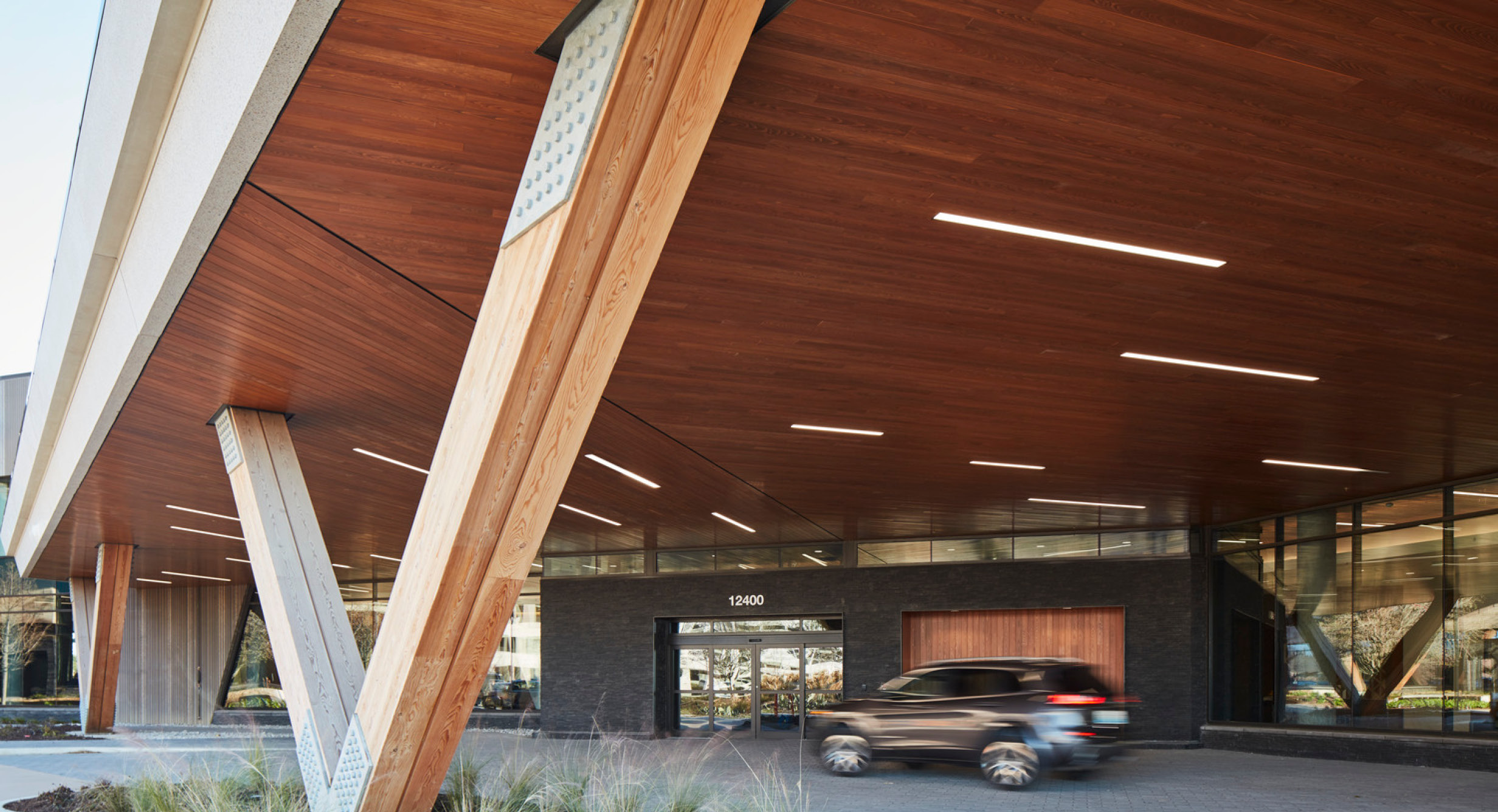
That experience became the bridge into mass timber, a system that takes small-dimensional lumber, bonds it with high-strength adhesives, and presses it into large structural panels. The result is stronger than the sum of its parts and capable of spans and heights far beyond traditional timber construction.
What Makes Timber Structurally Competitive
The answer starts with physics. Timber offers an excellent strength-to-weight ratio. It is lighter than concrete and steel, which means less mass, smaller foundations, and greater flexibility in design. Justin notes that wood has always worked well in both bending and axial loading. The innovation is in how engineered panels allow for long spans, open floor plates, and multi-story structures without relying on old-growth lumber.
In practical terms, the lightweight nature of mass timber enables developers to explore things that were previously structurally expensive, like adding floors to existing buildings during adaptive reuse. The material opens doors not just for new construction but for rethinking the value of aging assets.
Why Embodied Carbon Is Finally Showing Up In Underwriting
Developers have spent the last decade optimizing operational carbon. Buildings today perform better than ever through energy efficiency, HVAC systems, and tighter envelopes. The next horizon is embodied carbon, the total energy and carbon emissions tied to extracting, fabricating, transporting, and installing building materials.
Steel and concrete are carbon-intensive. Ore extraction and cement production require extreme heat and enormous energy loads. Timber requires far less energy. It must be harvested, dried, and fabricated, but the temperatures and energy inputs are significantly lower.
Justin emphasizes the core truth: timber is renewable on a human timescale. A mass timber building’s wood volume can be regrown within 80 years. The reciprocity between healthy forests and healthy buildings turns mass timber into a decarbonization tool rather than a carbon liability. Embodied carbon is becoming a real line item in pro formas, and mass timber is one of the few structural systems that can meaningfully reduce it.
Moisture, Fire, and Code: The Issues Lenders Still Fear
Despite the enthusiasm, mass timber still carries perceived risk. Lenders, insurers, and some developers fear moisture damage, mold, structural degradation, and fire performance. Justin breaks those concerns down with data.
Mass timber is moisture sensitive, but manageable when monitored correctly from fabrication to enclosure. Wood naturally dries and stabilizes over time when protected. Fire is the most misunderstood topic. Timber does burn, but mass timber chars in a predictable way that protects the interior section of the member. That char layer functions as a shield, extending structural performance during a fire event. Unlike steel, which can fail rapidly when heated, mass timber burns slowly and predictably.
This predictability allows engineers to design beams and columns that meet required fire ratings simply by sizing the member correctly. Fire performance is not a barrier. It is an engineering problem with tested solutions.
Where Mass Timber Is Growing Fastest
Follow the forests. The Pacific Northwest and British Columbia lead the market due to abundant regional supply, early adoption, and supportive building codes. Wisconsin and Michigan are rising quickly. Milwaukee built the tallest mass timber tower in North America. The Northeast is behind, but colleges and institutional owners are now becoming early adopters.
Regulatory change follows market pressure. The latest International Building Code permits mass timber buildings up to 18 stories. Markets with local producers, active forestry economies, or progressive sustainability policies are expanding the fastest.
Real World Case Studies Changing the Conversation
Justin highlights several projects that brought mass timber into the commercial mainstream.
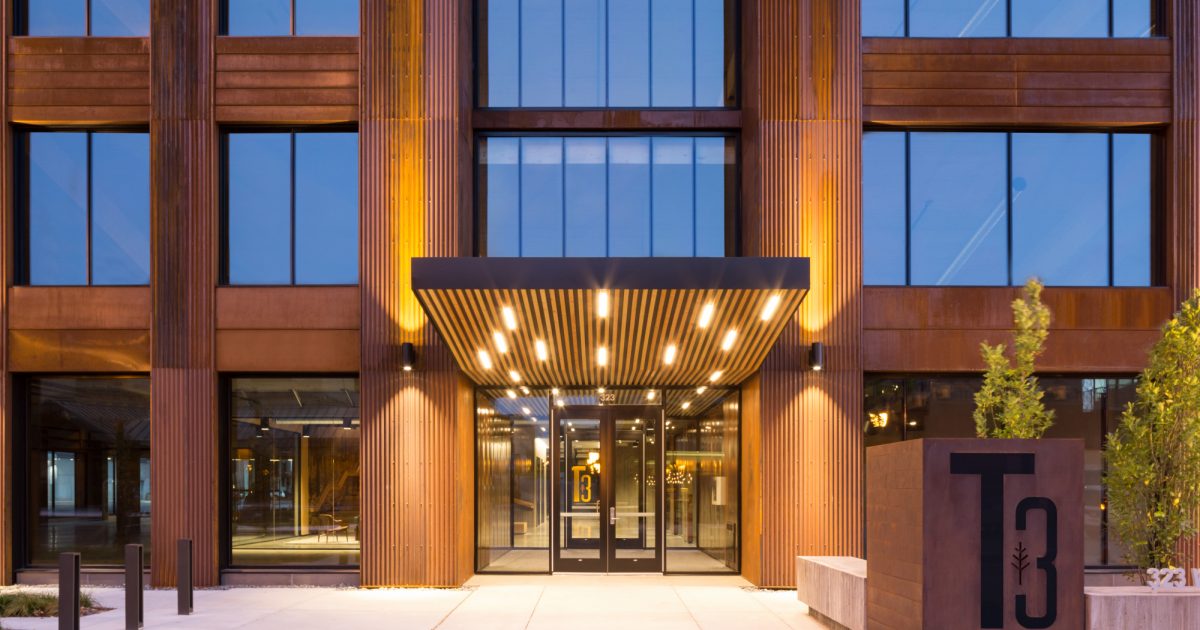
Hines T3 in Minneapolis was one of the first major commercial deployments in the United States.
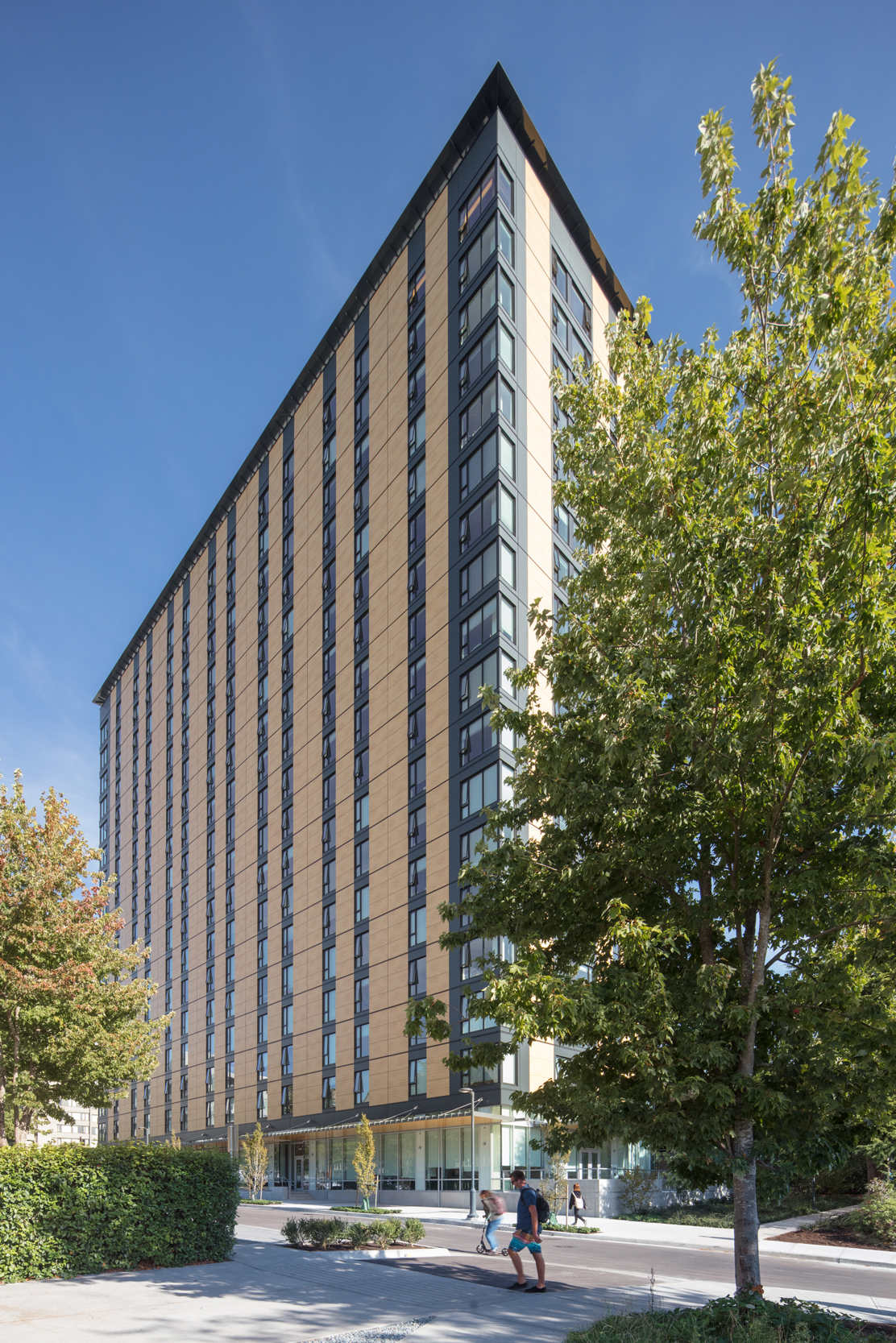
Brock Commons in Vancouver proved that 18 stories of mass timber was achievable.
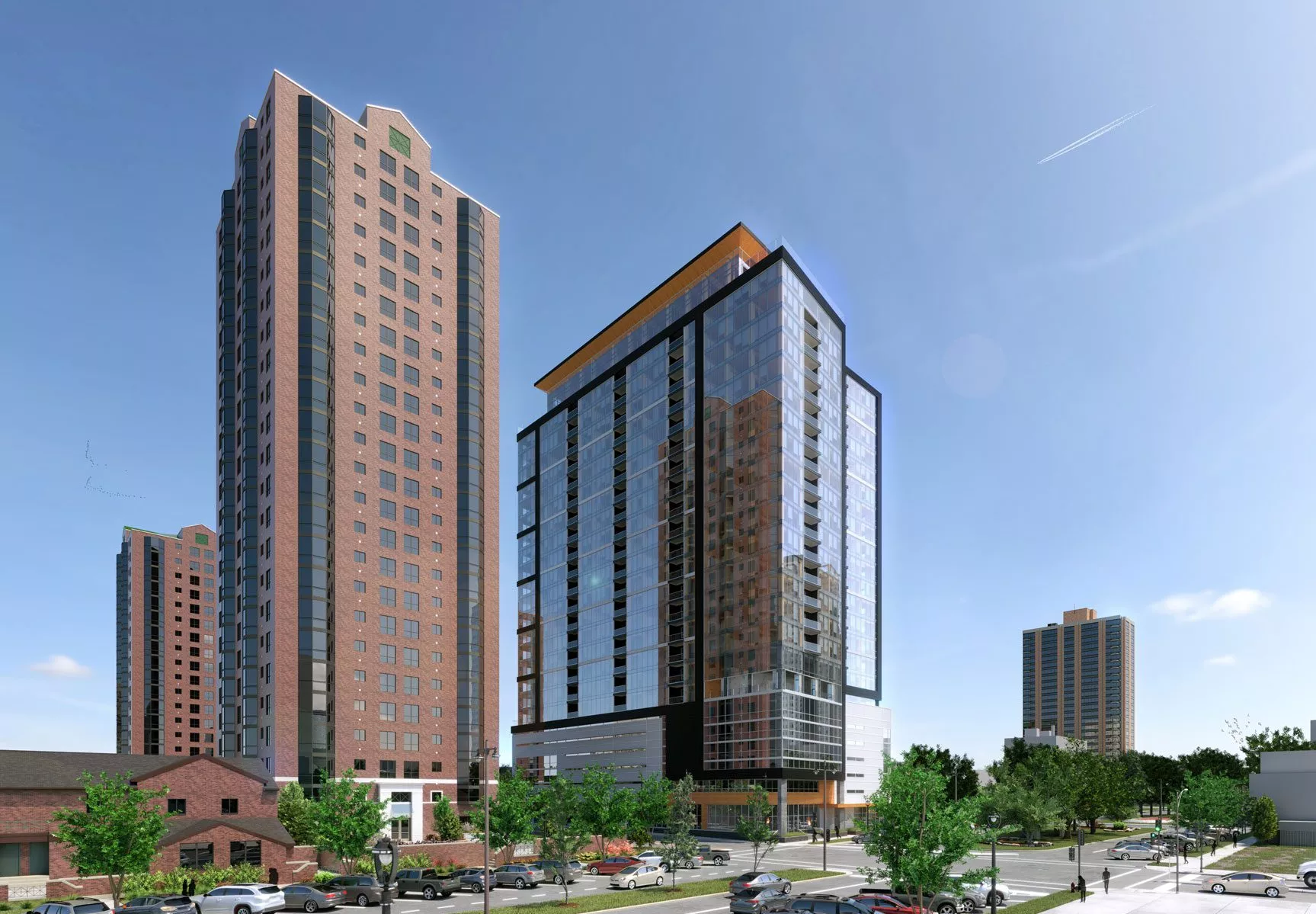
Ascent in Milwaukee pushed height even further and demonstrated what a prescriptive code pathway could unlock.
Justin’s own work includes Amherst College’s mass timber overbuild, where his team convinced the client to forgo new construction and instead place a new mass timber structure on top of an existing 1960s concrete science building. Timber’s low weight made it possible. The result lowered embodied carbon, saved cost, and extended the useful life of the original building.
These projects show mass timber is not only viable but an accelerator for adaptive reuse, sustainability, and economic efficiency.
Why Tenants Love Timber
Mass timber is not just a structural system. It is an experience. Exposed wood has proven benefits for mental health, productivity, creativity, and employee retention. For developers competing in a flight to quality market, tenant experience is part of the rent roll equation.
Timber also reduces long term capital expenditures. Exposed structure means fewer suspended ceilings, less tenant fit out demolition, fewer materials heading to landfills, and simpler turnover between tenants.
What Developers Still Get Wrong
Justin points to two recurring misconceptions.
First, that mass timber is a fire hazard. In reality, mass timber behaves more predictably than steel in fire events. Second, that mass timber carries an unavoidable cost premium. The premium is mainly an early market condition. More suppliers, more contractors with experience, and more built examples will reduce cost quickly.
The Future: Data, Carbon Transparency, and a Timber Market Ready to Scale
Justin’s hope for the next decade is clear. He wants embodied carbon to be tracked with the same precision as operational carbon, and he wants mass timber to be considered in the early stages of every development. Public projects will help normalize the material. Private projects will help accelerate scale and efficiency. Together, they can reshape commercial development.
For anyone building office, education, mixed-use, or adaptive reuse projects, mass timber is no longer an experiment. It is a strategic tool developers can use to differentiate assets, reduce carbon, and create beautiful, high-performing spaces.
If you enjoyed this conversation, subscribe to The Real Finds Podcast on YouTube, Apple Podcasts, or Spotify, and leave a five-star rating. Your support helps us bring on more great guests like Justin Den Herder.