
A national apartment investor is doubling down on suburban Chicago.
FPA Multifamily has acquired another suburban Chicago apartment complex, continuing a strategic push into stabilized, value-add multifamily assets across the region. The transaction underscores renewed institutional appetite for workforce housing in well-located suburban corridors.
While downtown Chicago office headlines often dominate coverage, capital allocation in 2026 continues to favor suburban rental communities with durable occupancy, attainable rents, and operational upside.
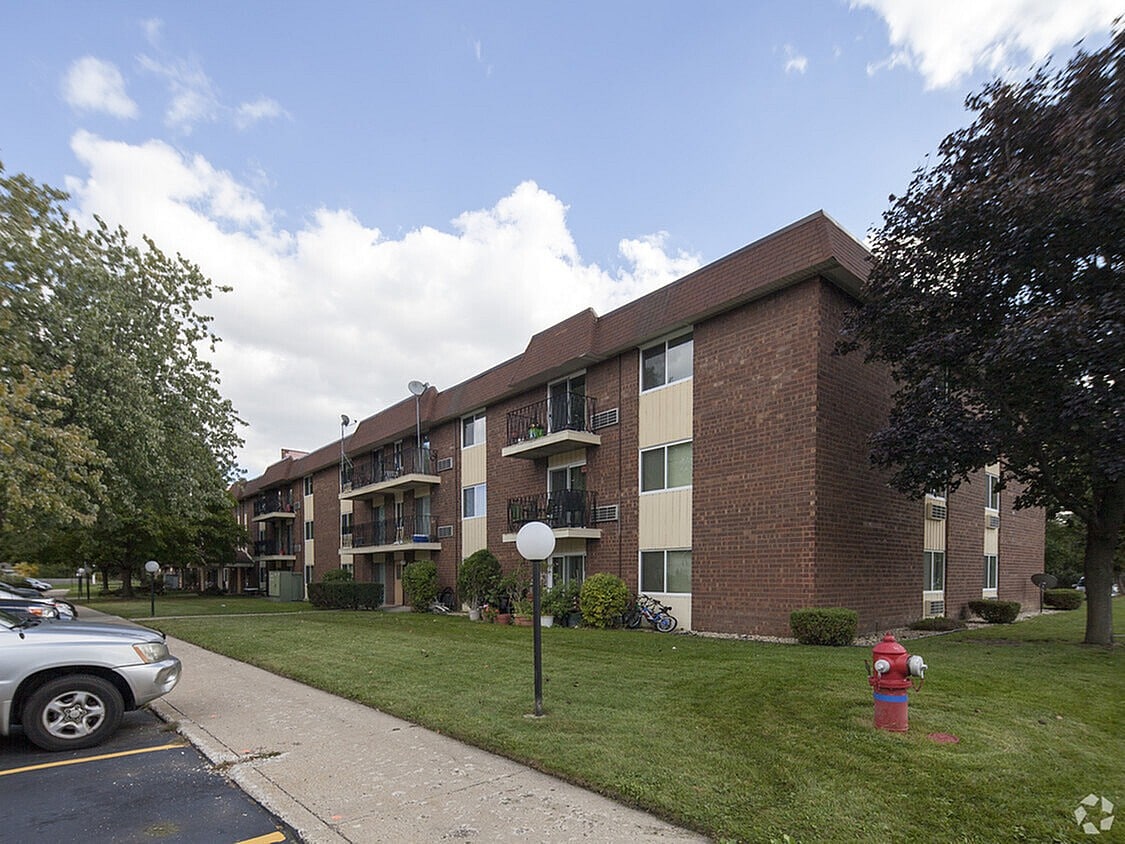
Why Suburban Chicago Multifamily Is Attracting Capital
Three structural factors are driving investor confidence:
1. Rent Growth Stability
Suburban Chicago has demonstrated resilient occupancy levels relative to more volatile urban cores. Workforce and mid-market renters remain highly active in communities near employment nodes, logistics corridors, and commuter rail access.
2. Replacement Cost Arbitrage
New construction costs remain elevated. Buying existing assets below replacement cost allows investors like FPA to deploy capital with a margin of safety while executing moderate interior and amenity upgrades.
3. Operational Upside
Value-add strategies typically include unit renovations, amenity enhancements, and improved property management systems — boosting NOI without taking ground-up development risk.
The Broader Commercial Real Estate Implications
Institutional capital moving into suburban multifamily has ripple effects across asset classes:
- Land pricing near established apartment communities strengthens.
- Older retail centers may face retail conversion pressure into residential or mixed-use formats.
- Underutilized Office Space in suburban submarkets may increasingly be studied for office conversion feasibility, particularly in lower-density corridors.
As suburban household formation trends remain positive, multifamily assets are increasingly viewed as stable anchors within diversified Commercial Real Estate portfolios.
Suburban Chicago’s Investment Cycle
Compared to coastal gateway markets, suburban Illinois pricing often reflects more conservative underwriting. That creates opportunity for disciplined investors willing to focus on cash flow fundamentals rather than speculative appreciation.
This latest acquisition reinforces a theme we are seeing throughout Lake and Cook County:
- Capital is selective.
- Stabilized income wins.
- Suburban locations with transportation access outperform tertiary markets.
For owners considering disposition, the presence of repeat institutional buyers suggests liquidity remains strong for well-positioned multifamily assets.
What This Means For Local Owners And Investors
If you own:
- A stabilized apartment complex
- A workforce housing community with renovation potential
- Land adjacent to established multifamily corridors
Now is an ideal time to evaluate valuation benchmarks and investor demand.
As a commercial real estate agent focused on suburban Chicago, I continue to see active interest from private equity groups targeting income-producing assets with operational upside.
To discuss multifamily valuations, industrial real estate trends impacting rental demand, or repositioning strategies for office space and retail assets, reach out to our team of Wheeling commercial real estate brokers.