Assessing Power Supply & Capacity for Industrial Properties
Power is the unseen lifeblood of industrial real estate. From running heavy machinery and automation systems to powering lighting, HVAC, and digital infrastructure, reliable power delivery is non-negotiable. Whether you’re evaluating an existing facility or planning upgrades for a multi-tenant property, understanding power supply and capacity is crucial for maintaining operational continuity and supporting future growth.
Here’s a comprehensive guide to help industrial property owners, tenants, and investors assess power infrastructure, including how it works, what it costs, and what to look for inside multi-tenant buildings.
Understanding How Power Supply Works
1. Grid Connection
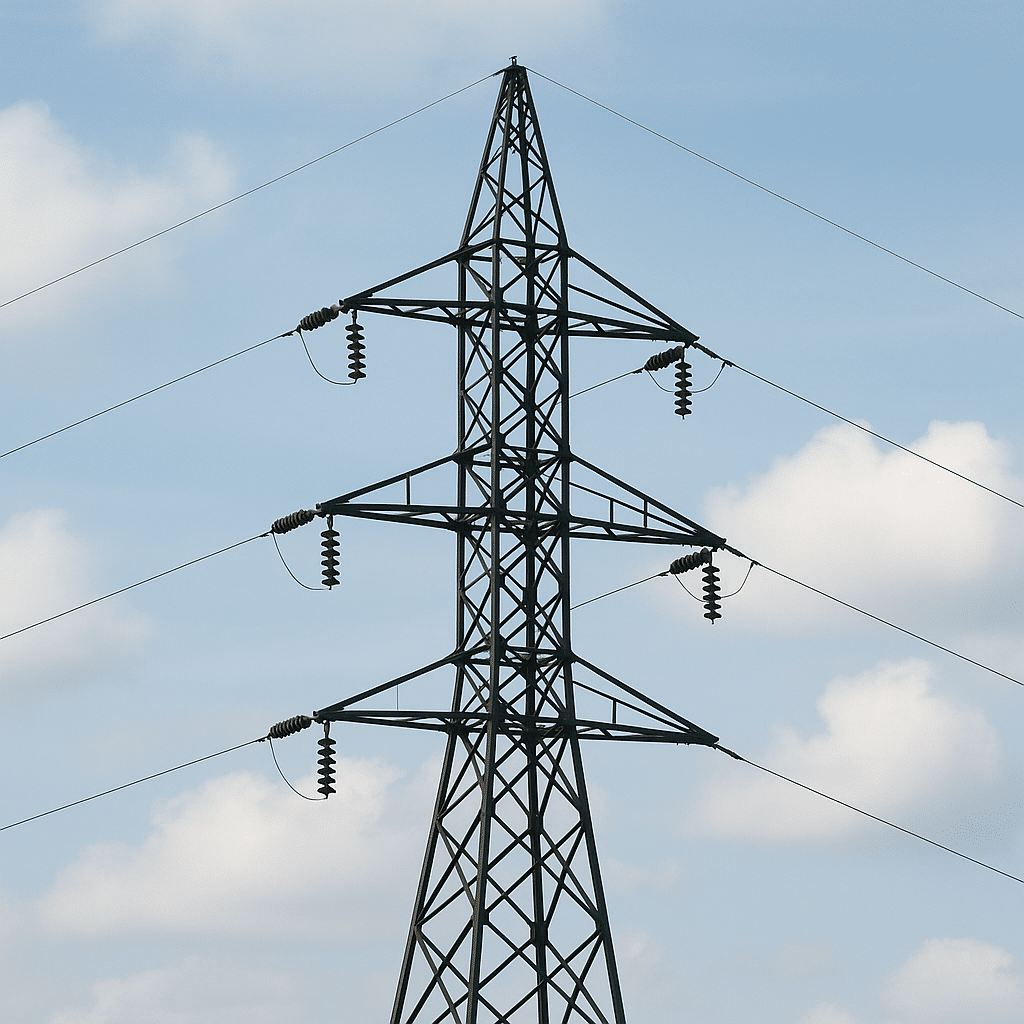
Industrial properties receive electricity from the local utility grid. Power is generated at centralized plants and delivered through transmission lines, substations, and transformers:
Utility Providers: Coordinate distribution from high-voltage transmission systems to your facility.
Substations: Step down voltage to safer, usable levels near the property.
2. Transformers and On-Site Equipment
Most industrial buildings include transformers either on-site or nearby. These devices adjust voltage for building systems and equipment. For high-demand uses like CNC machines, injection molding, or chillers, transformers must be sized to handle peak loads safely.
Key Considerations When Evaluating Power Supply
1. Assess Power Capacity for Current and Future Needs
Understanding your total electrical demand is the first step in evaluating any property.
Load Calculation: Identify total kilowatt (kW) demand from equipment, lighting, HVAC, and plug loads.
Growth Projections: Factor in potential expansions, automation systems, or additional shifts. Underestimating power needs can lead to costly retrofits or downtime.
2. Understand Usage and Demand Patterns
Not all operations consume power the same way throughout the day.
Peak Demand: Utilities often charge based on the highest 15-minute usage window each month.
Usage Patterns: Analyze when and how your facility uses power to optimize usage and potentially shift load away from peak billing periods.
Infrastructure and Cost Considerations
1. Initial Installation
Power infrastructure varies dramatically depending on the size and complexity of the operation.
Transformers and Switchgear: Installation and upgrades can run from tens to hundreds of thousands of dollars depending on size, safety standards, and redundancy.
Power Line Extension: New connections or service upgrades may require excavation, cabling, and coordination with the utility—an expensive and time-consuming process.
2. Ongoing Maintenance and Lifecycle Costs
Preventive Maintenance: Regular inspections and thermal imaging of switchgear, panelboards, and transformers extend equipment life and prevent outages.
Replacement Costs: Aging systems often require upgrades to comply with code, meet demand, or improve efficiency.
Technical Considerations for Industrial Tenants
1. Power Quality and Stability
Power quality can affect everything from lighting flicker to catastrophic equipment failure.
Voltage Stability: Fluctuations can damage motors and control systems.
Power Factor: A poor power factor can result in added charges. Installing capacitors can correct it and improve efficiency.
2. Backup Power and Redundancy
A reliable industrial facility needs a contingency plan for outages.
Generators: Critical for businesses that can’t afford downtime.
UPS Systems: Protect sensitive electronics like PLCs and control panels during short-term outages or grid disturbances.
Power Assessment in Multi-Tenant Industrial Buildings
1. Power Distribution Within Units
Individual Metering: Each tenant should have their own electric meter for accurate usage tracking and billing.
Dedicated Supply Panels: Tenants with heavy power requirements (e.g., manufacturers or data tenants) need sufficient breakers, dedicated circuits, and transformer capacity.
2. Shared Systems and Common Areas
Common Area Loads: Lighting, HVAC for shared lobbies, and dock equipment must be factored into the building’s total load.
Shared Infrastructure: Ensure shared services like air compressors or chillers are appropriately sized and backed by adequate service capacity.
Step-by-Step: How to Assess Power Supply and Capacity
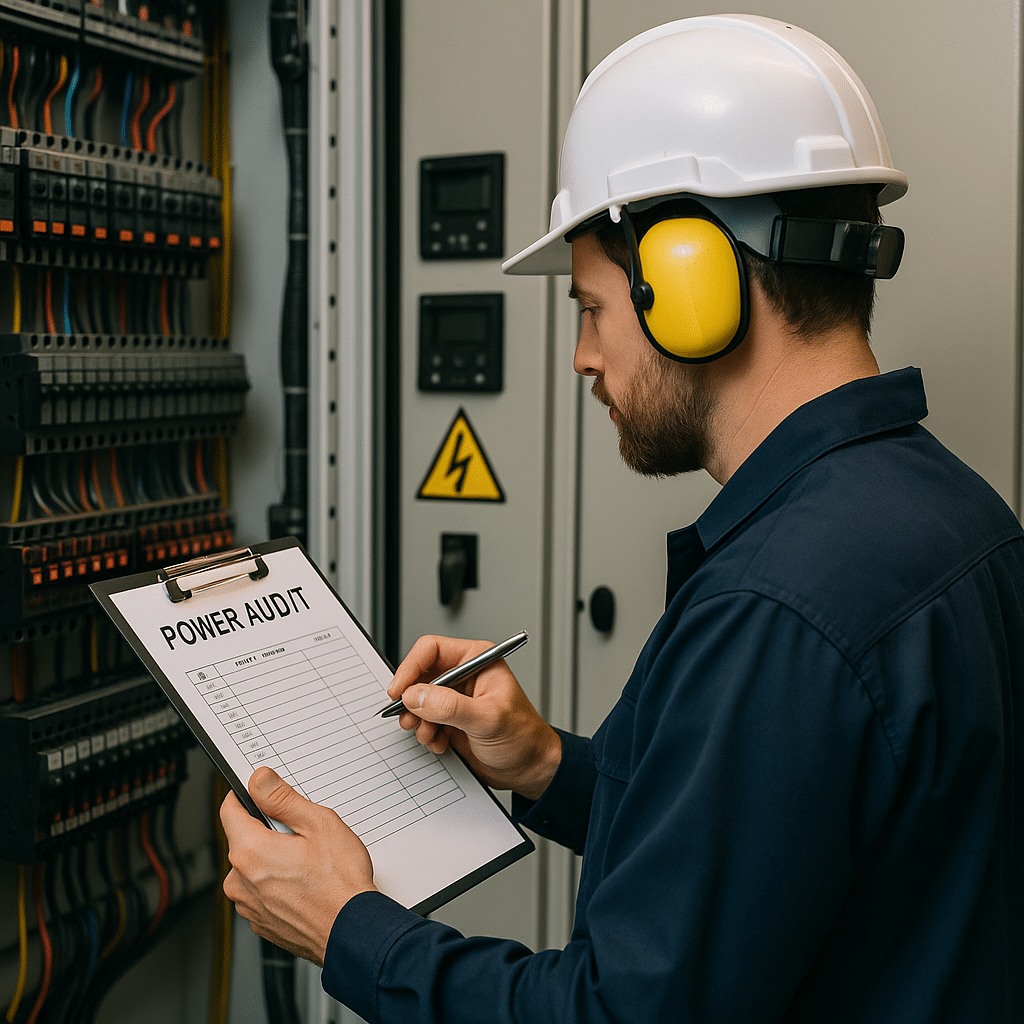
1. Conduct a Power Audit
Start with a professional evaluation by a licensed electrical engineer.
Infrastructure Inspection: Review panelboards, switchgear, feeder capacity, and transformer ratings.
Usage Analysis: Evaluate historical utility data to understand current demand and identify peak periods.
Audit Report: The engineer should provide a report highlighting existing capacity, constraints, and opportunities for upgrades or efficiency.
2. Plan for Upgrades and Growth
If deficiencies or future constraints are identified, it’s time to budget for improvement.
Upgrade Scope: Common upgrades include new transformer installations, panel replacements, or the addition of subpanels for tenant buildouts.
Cost Forecasting: Include utility connection fees, permit costs, labor, and equipment in your budget. Investigate if your utility offers rebates for energy-efficient improvements.
3. Implement Energy Optimization Strategies
Energy Management Systems (EMS): These systems allow tenants and owners to monitor usage in real-time, detect inefficiencies, and optimize performance.
Demand Response Programs: Participating in load-shedding programs with your utility can offer cost savings and reduce strain on the grid during high-demand periods.
Final Thoughts: Why Power Capacity Assessment Matters
Investing in robust power infrastructure ensures smoother operations, reduces the risk of costly outages, and can significantly impact tenant satisfaction and property value. In competitive industrial markets, properties with scalable, redundant, and well-documented power systems stand out. Whether you’re a landlord, an investor, or working with a commercial real estate agent to evaluate a property, ensuring power reliability should be a core part of your strategy. A knowledgeable commercial real estate agent can help identify buildings with sufficient infrastructure or guide you through the upgrade process to meet your specific needs. In today’s power-intensive industrial landscape, aligning with the right commercial real estate agent is key to making informed, future-proof property decisions.