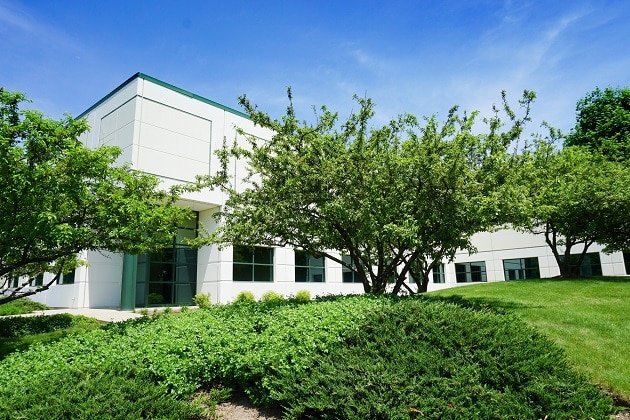
A Complete Guide to Managing Industrial Investment Properties
Investing in industrial real estate can deliver stable income, long-term appreciation, and portfolio diversification, but only if the asset is professionally and proactively managed. Unlike other commercial property types, industrial properties often have unique operational, technical, and tenant requirements. From large-scale logistics centers to flex buildings and light manufacturing spaces, successful management involves more than rent collection and routine maintenance.
This comprehensive guide outlines key strategies for managing industrial investment properties, focusing on operational efficiency, tenant satisfaction, compliance, financial oversight, and long-term value creation.
1. Property Maintenance and Daily Operations
A well-maintained property not only preserves asset value—it directly influences tenant satisfaction, lease renewals, and overall building performance.
Routine and Preventive Maintenance
Scheduled Inspections: Conduct regular inspections of structural, mechanical, electrical, and plumbing (MEP) systems. Identify small issues before they become expensive problems.
Preventive Maintenance Program: Proactively service HVAC systems, roof membranes, dock doors, warehouse floors, and exterior lighting to extend system life and avoid disruptions.
Cleaning and Sanitation: Maintain high standards for cleaning across common areas, restrooms, and specialized areas such as production floors. Include pest control and waste disposal contracts in your operations budget.
Maintenance Request Management
Streamlined Reporting: Implement an easy-to-use maintenance request system—mobile apps or online portals—to ensure tenants can quickly submit issues.
Response Tracking: Use a CMMS (Computerized Maintenance Management System) to assign, track, and report on all service tickets. Transparency builds trust and reduces repeat requests.
2. Financial Management and Expense Oversight
Financial performance is the backbone of industrial asset management. Detailed planning, disciplined budgeting, and expense control are essential to drive NOI and investor returns.
Budgeting and Planning
Annual Budgets: Prepare comprehensive operating budgets covering everything from utilities and repairs to management fees and property taxes.
Long-Term Forecasts: Project 5–10 year cash flows, incorporating expected rent escalations, capital improvement needs, and inflationary impacts.
Revenue Management
Rent Collection: Automate invoicing, implement late fee policies, and offer ACH or online payment options to streamline collections.
Lease Administration: Monitor escalation clauses, renewal timelines, and pass-through expenses. Ensure accurate application of CPI increases or market adjustments.
Cost Control and Efficiency
Vendor Audits: Regularly review service contracts to ensure competitive pricing and performance.
Sustainability Initiatives: Implement energy-saving measures like LED retrofits, solar panels, or VFD motors to reduce long-term utility costs.
3. Tenant Relations and Retention
Happy tenants stay longer, and stable occupancy is critical for investment performance. Building strong tenant relationships leads to higher renewal rates and reduced turnover costs.
Proactive Communication
Regular Updates: Distribute newsletters or quarterly memos that include property updates, upcoming maintenance schedules, and emergency contact protocols.
Feedback Loops: Implement tenant satisfaction surveys or suggestion boxes. Listening creates opportunities to improve and shows responsiveness.
Responsive Service and Amenities
On-Site Support: Maintain a responsive management team, especially for larger or multi-tenant industrial parks.
Practical Amenities: Offer services like secured parking, shared loading areas, recycling programs, or onsite maintenance techs to enhance tenant convenience.
Strategic Lease Management
Advance Renewals: Start renewal conversations 9–12 months before lease expiration. Offer incentives for early renewal or multi-year extensions.
Healthy Tenant Mix: Foster operational harmony by ensuring complementary tenants and avoiding incompatible industrial uses (e.g., high-traffic operations next to sensitive production).
4. Capital Improvements and Asset Modernization
Reinvesting in the property ensures long-term viability, enhances tenant satisfaction, and increases property value over time.
Planned Capital Projects
Asset Preservation: Identify when key components (roofing, HVAC, exterior paint, paving) need replacement or major upgrades.
Budget Allocation: Build capital reserves into your long-term financial model. Evaluate financing strategies such as refinance proceeds or green loans.
Technology and Connectivity
Smart Building Systems: Implement building automation systems (BAS) to manage HVAC, lighting, and access remotely. IoT-enabled monitoring helps reduce energy waste and optimize operations.
High-Speed Internet: Offer fiber or 5G-ready infrastructure. Many industrial tenants now rely on cloud-connected systems, e-commerce portals, or robotic warehousing.
Sustainability and ESG Goals
Energy Upgrades: Install motion-sensor lighting, reflective roofing, or water-saving fixtures.
Green Certifications: Pursue LEED or ENERGY STAR certifications to attract ESG-minded tenants and institutional buyers.
5. Risk Management and Regulatory Compliance
Mitigating legal, physical, and operational risks is central to protecting tenant safety and asset value.
Safety and Security
Modern Security Systems: Use video surveillance, keycard access, and fencing where appropriate. Warehouse break-ins and copper theft are on the rise.
Emergency Preparedness: Maintain current evacuation maps, test fire alarms regularly, and train tenants on emergency procedures.
Regulatory Compliance
Code Adherence: Ensure compliance with local building, zoning, and environmental regulations. Address accessibility, stormwater management, and fire code requirements proactively.
Health & Safety: Industrial spaces must meet OSHA, ADA, and environmental standards, especially for hazardous material storage or manufacturing operations.
6. Leasing Strategy and Marketing
To ensure long-term profitability, industrial property management must include a leasing strategy that’s grounded in market data and effective outreach.
Market Intelligence
Competitive Analysis: Regularly review comps, local absorption trends, vacancy rates, and construction pipelines to stay ahead of market changes.
Targeted Tenant Outreach: Understand which industries are expanding and tailor marketing efforts accordingly (e.g., 3PLs, last-mile distributors, EV suppliers).
Marketing Campaigns
Digital Exposure: Maintain listings on LoopNet, CREXi, CoStar, and your own branded website. Offer drone videos, 3D tours, and detailed floorplans to attract interest.
Direct Outreach: Use email campaigns, LinkedIn ads, and local economic development contacts to promote availability.
Broker and In-House Leasing
Broker Partnerships: Offer competitive commissions to leasing brokers and provide them with strong marketing packages and quick response times.
In-House Capabilities: Consider staffing in-house leasing reps for larger portfolios to streamline deal flow and manage renewals proactively.
7. Performance Monitoring and Reporting
What gets measured gets managed. Strong reporting practices help improve operations and ensure accountability to stakeholders.
Track Key Metrics
Occupancy & Leasing: Monitor occupancy, absorption, renewal rates, and average lease term.
Financial KPIs: Track Net Operating Income (NOI), CapEx reserves, debt service coverage, and internal rate of return (IRR).
Regular Reports
Monthly and Quarterly Reports: Prepare clear, concise reports covering financial performance, tenant activity, maintenance issues, and capital projects.
Stakeholder Updates: Provide institutional investors or partners with transparent performance updates to build trust and alignment.
8. Continuous Improvement and Professional Development
Great property management doesn’t stand still. Staying competitive means investing in your people and your systems.
Staff Training
Offer certifications through IREM, BOMA, or NAIOP. Invest in leadership development, software training, and compliance education.
Process Optimization
Evaluate workflows and implement proptech solutions like automated work order systems, digital lease management, or mobile inspection tools.
Culture of Innovation
Stay engaged with industry associations, attend conferences, and benchmark against best-in-class operators. Look for ways to pilot new services, sustainability measures, or tenant engagement tools.
Conclusion: A Proactive Approach to Industrial Property Management Drives ROI
Industrial properties require specialized oversight to function efficiently and remain competitive in today’s market. From asset-level operations to strategic capital planning, success lies in being proactive, responsive, and data-driven.
By prioritizing maintenance, financial discipline, tenant engagement, and innovation, investors and property managers can enhance asset performance, improve tenant retention, and maximize long-term returns.
If you’re ready to take your industrial portfolio to the next level, consider working with experienced industrial property management professionals who understand the nuances of warehouse, logistics, and manufacturing space.