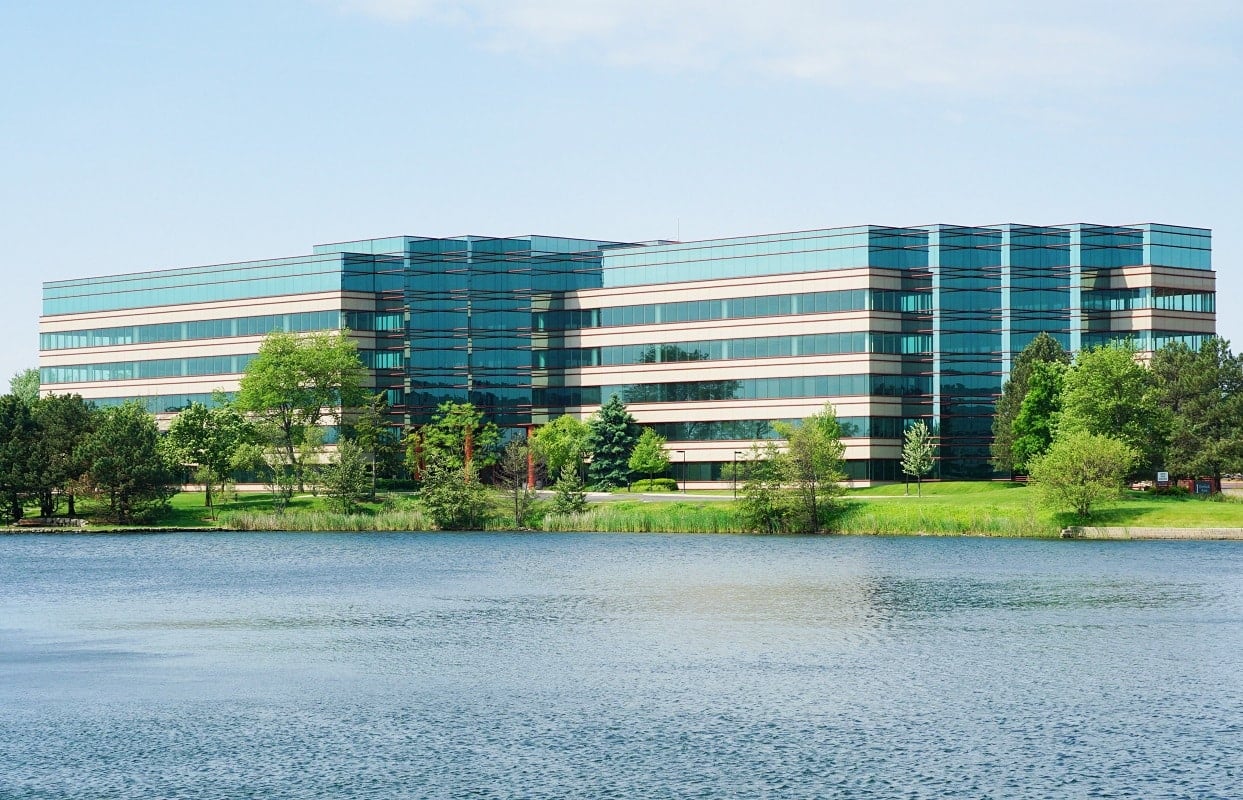
How to Develop a Long-Term Management Plan for Office Investment Properties?
Investing in commercial office buildings is only half the battle—what sets successful office properties apart is how they’re managed over the long term. A well-executed property management strategy doesn’t just protect your asset; it enhances it. With the right systems and foresight, owners can increase income, retain tenants, and grow asset value across market cycles.
A long-term management plan for commercial office investments should go beyond day-to-day operations. It’s about aligning maintenance, financial planning, tenant relationships, leasing strategies, and modernization into a cohesive framework that supports profitability and market resilience.
Let’s break down what that looks like in practice.
Operational Excellence Starts with Proactive Maintenance
Your property’s physical condition is the foundation of everything else—tenant satisfaction, lease retention, and valuation. A long-term plan begins with consistent, structured inspections of your building’s systems, including plumbing, electrical, HVAC, roofing, and life safety equipment.
Rather than relying on reactive fixes, a preventive maintenance program ensures issues are addressed before they become expensive emergencies. That means servicing elevators quarterly, cleaning HVAC filters seasonally, and planning upgrades to major infrastructure in advance. Tenants notice when a building is well cared for and so do investors.
Equally important is how maintenance requests are handled. Implementing a digital work order system makes it easier for tenants to submit issues and for your team to resolve them promptly. Track response times, flag recurring issues, and use that data to optimize vendor contracts and internal workflows.
Don’t underestimate janitorial services either. A clean, well-lit lobby, spotless bathrooms, and polished floors reinforce a building’s professionalism and help attract high-quality tenants.
Financial Planning: The Engine Behind Every Smart Office Strategy
Smart office management requires financial discipline and foresight. Your annual budget should reflect all routine expenses—from utilities and insurance to staffing and landscaping—as well as capital reserves for larger improvements down the road.
But a long-term plan means thinking 5, even 10 years ahead. Will you need to replace a roof? Upgrade a chiller? Reposition the lobby? Create a financial roadmap that accounts for both cash flow and capital expenditures, especially in light of market volatility and rising operating costs.
On the revenue side, rent collection systems should be streamlined and accessible, with digital payment options and clear tracking. Lease management is just as critical: monitor escalations, enforce terms, and start renewal conversations early to avoid costly downtime.
Controlling expenses doesn’t mean cutting corners, it means spending smarter. Audit energy use annually and look for savings through retrofits like LED lighting, building automation systems, and water-efficient fixtures. These efforts often pay for themselves through lower utility bills and tax incentives.
Strengthen the Core: Tenant Satisfaction and Retention
Tenant turnover is expensive. Between downtime, buildouts, and leasing commissions, replacing an office tenant can easily cost 6-12 months’ worth of rent. That’s why tenant experience must be central to your management plan.
Start by building relationships. Regular communication through newsletters, tenant events, or even informal check-ins can foster a sense of partnership. When tenants feel heard, they’re more likely to stay.
Consider implementing periodic satisfaction surveys. Even simple feedback can alert you to pain points, temperature complaints, parking issues, Wi-Fi problems—before they become deal breakers.
Also, think about the broader tenant experience. Do your amenities reflect current needs? On-site fitness centers, reservable conference rooms, and food delivery partnerships can go a long way. And when it comes to renewals, don’t wait. Proactively negotiate renewals well before lease expiration, and offer incentives for longer commitments.
Keep the Asset Competitive Through Capital Improvements
As tenant expectations evolve, so must your property. The long-term value of an office investment is closely tied to how well it adapts to technological change and design trends.
CapEx planning should focus on both necessity and opportunity. HVAC retrofits, elevator modernizations, and facade upgrades aren’t just about function—they can reposition a tired asset in a competitive market. Schedule large-scale projects during off-peak tenant hours or holidays to reduce disruption.
Embrace modernization. Smart building systems that automate lighting, climate control, and security not only lower operating costs but also improve tenant comfort. Equally important: make sure your building is digitally ready. High-speed internet, Wi-Fi in common areas, and strong cell coverage are must-haves.
And sustainability isn’t optional anymore—it’s a competitive advantage. Pursuing certifications like LEED or Energy Star can boost marketability and qualify you for green financing options. Tenants increasingly demand efficient, environmentally responsible space.
Mitigate Risk Through Safety and Compliance
Your long-term management plan must also account for risk mitigation. This includes both physical safety and legal compliance. Ensure that surveillance cameras, alarm systems, and access controls are regularly tested and updated. Create and rehearse emergency preparedness protocols for fires, medical events, and severe weather.
Stay current with building codes, ADA requirements, and OSHA standards. Non-compliance isn’t just a liability—it’s a brand risk. Work with consultants or legal advisors to perform annual reviews and stay ahead of regulatory changes.
Maximize Occupancy with Smart Marketing and Leasing
Attracting and retaining quality tenants is about more than offering space—it’s about presenting a vision. Invest in high-quality photography, virtual tours, and engaging marketing materials. Leverage platforms like LoopNet, CREXi, and social media to showcase your asset’s strengths.
Understand your tenant demographic. Are you targeting law firms, startups, or medical groups? Tailor your messaging and amenities accordingly.
Whether you work with a commercial real estate agent or have an in-house leasing team, relationships matter. Brokers want to bring clients to buildings they can trust. Respond quickly to inquiries, offer competitive commissions, and maintain a reputation for transparency.
Measure What Matters: Performance Monitoring
To know if your plan is working, you need metrics. Track KPIs like occupancy rate, rent collection, NOI, and cap rate. Compare these against your targets and historical performance to identify strengths and gaps.
Monthly or quarterly management reports should detail leasing activity, maintenance logs, tenant concerns, and financial performance. Don’t just track data, use it to make decisions.
Commit to Continuous Improvement
The commercial real estate landscape is constantly changing. Building a great long-term plan means staying flexible and open to new ideas.
Train your staff regularly, encourage innovation, and seek out best practices from industry groups like BOMA or IREM. Stay informed on emerging trends from PropTech to ESG, and look for strategic ways to integrate them into your operations.
Final Thoughts
Owning an office building is a long game. A well-structured, long-term management plan helps you weather market cycles, build strong tenant relationships, and ensure lasting value. From daily operations to long-range capital planning, commercial property management is a full-spectrum discipline and when done right, it turns buildings into reliable investment engines.
If you’re looking to improve your management strategy or reposition an underperforming asset, our team of commercial real estate agents and property managers can help you put a plan in place that maximizes performance for the long run.