

How to Build Office Spaces That Will Still Perform In 2030?
Designing a Class A office building today requires an uncomfortable admission: by the time most new office projects deliver or complete a major interior buildout, the market assumptions that shaped them are already outdated. From initial concept through entitlement, financing, construction, and tenant fit-out, the minimum lifecycle for a meaningful Class A office buildout is often five years or more. In a market that is evolving as quickly as today’s, that reality creates real risk.

The question developers, owners, and capital partners must ask is not how to design the perfect office for 2025, but how to deliver a workspace that will still function as Class A in 2030. The answer lies less in finishes, branding, or amenities, and more in how buildings are structured, serviced, and allowed to adapt over time.
By 2030, the office market will not reward specialization. It will reward resilience.
Class A in 2030 Is a Capability, Not a Category
Historically, “Class A” was defined by location, architectural quality, and amenity packages. That definition is already breaking down. Today, Class A performance is measured by leasing velocity, tenant retention, operating efficiency, and the ability to absorb change without massive reinvestment.
Buildings that remain competitive will not be those that chased trends, but those that were designed as platforms rather than products. Designing for 2030 means shifting the focus from how space looks on day one to how it performs over decades.

Build the Base Building for Optionality
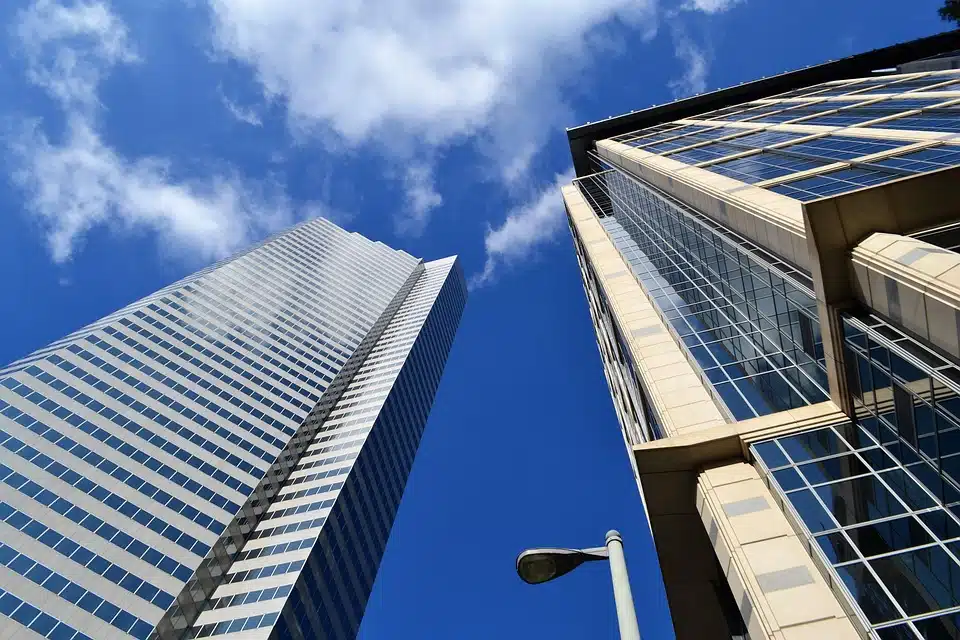
The most important decisions shaping a building’s future are invisible once the drywall goes up. Structural capacity, floor-to-floor heights, and column spacing determine whether a building can evolve or becomes obsolete.
Class A offices intended to perform in 2030 should prioritize structural generosity. Floor loads in the 75–100 pounds per square foot range provide optionality for future uses, including heavier collaborative spaces, training facilities, or even partial lab conversion. Floor-to-floor heights of 14.5 to 15.5 feet allow for future mechanical upgrades, raised floors, improved daylighting strategies, or new ceiling systems that have not yet been standardized.
Optionality is no longer a luxury. It is a requirement.
Mechanical and Electrical Systems Must Be Flexible, Not Perfect
One of the most common mistakes made in pre-pandemic office development was over-optimizing mechanical systems for a single, static use case. Highly efficient but tightly tuned systems age poorly when tenant needs change.
Offices designed for 2030 must treat mechanical and electrical systems as adaptable infrastructure. Decentralized HVAC zoning allows portions of a floor or building to be upgraded, repurposed, or shut down without affecting the entire system. Oversized electrical capacity and risers provide future flexibility for technology, automation, or alternative uses that may not exist today.
Vertical distribution pathways should be abundant and accessible. The ability to run new systems in the future without invasive demolition will directly impact capital expenditure cycles and tenant downtime.
In 2030, mechanical flexibility will matter more than peak efficiency metrics.
Hybrid Work Is Permanent By Design Accordingly
Hybrid work is no longer a transitional phase. It is the baseline operating condition for most knowledge-based organizations. Offices designed as desk farms optimized for daily attendance will continue to underperform.
Class A offices of the next decade must be designed around the types of work that benefit from in-person interaction. This means fewer fixed desks and more varied space types: focus rooms, small collaboration zones, project rooms, training spaces, and hospitality-grade commons.

The office is no longer where people go to sit at a computer. It is where organizations come together to collaborate, train, and make decisions that cannot happen remotely.
Amenities Must Perform, Not Just Impress
Amenity arms races defined much of the last office cycle. Many of those spaces now sit underutilized, costly to maintain, and difficult to reposition.
Future-ready amenities must be programmatic, flexible, and measurable. Amenity spaces should be reservable, operable, and shared across tenants in a way that resembles urban infrastructure rather than corporate perks. Meeting centers, food service, wellness facilities, and outdoor areas should function as extensions of tenant space, not decorative lobbies.
Outdoor space, in particular, must be designed for work, not just visual appeal. Covered terraces, power access, and weather-resilient furnishings turn outdoor areas into usable square footage rather than marketing imagery.
In 2030, tenants will evaluate amenities based on utilization and operational value, not aesthetics.
Sustainability as an Operating Advantage
By the end of the decade, sustainability credentials alone will not differentiate assets. Performance will.
Buildings that succeed will be those where sustainability directly reduces operating costs, mitigates regulatory risk, and stabilizes tenant expenses. Energy systems that lower volatility, materials selected for durability and replacement cycles, and real-time performance monitoring will matter far more than plaques or certifications.
Owners and tenants alike are becoming more sophisticated in how they evaluate sustainability. The focus is shifting from symbolic commitments to tangible economic outcomes.
A Class A office in 2030 will be one where environmental performance supports underwriting assumptions.
Design for Conversion From the Beginning
Perhaps the most important shift in office design thinking is the acceptance that not every office building will remain an office forever.
Resilient projects are now being designed with secondary lives already modeled. That may include the ability to convert portions of a building to residential, education, training, or specialized uses. Even if conversion never occurs, the mere presence of that optionality protects asset value.
Buildings without a credible conversion pathway will increasingly be discounted by capital markets. Designing for adaptability from day one is far less expensive than attempting to retrofit it later.
Conversion readiness is no longer a hedge. It is part of being Class A.
Capital Markets Are Redefining Class A
By 2030, lenders and equity partners will be less concerned with branding and more focused on risk management. Lease rollover exposure, capital expenditure predictability, and adaptability will drive pricing and liquidity.
Buildings that can absorb tenant contraction, expansion, or use changes without major reinvestment will trade at a premium. Those that require frequent, expensive repositioning will struggle regardless of location or age.
Class A will increasingly be defined by how well a building performs across cycles, not how impressive it looks at stabilization.
The Bottom Line
Designing offices for 2030 requires a fundamental shift in mindset. The goal is no longer to predict how people will work five years from now. The goal is to design buildings that can adapt as those patterns continue to change.
The most successful Class A offices of the next decade will be structurally generous, mechanically flexible, programmatically adaptable, and economically resilient. They will prioritize optionality over optimization and long-term performance over short-term trends.
Class A in 2030 is not a finish level, an amenity list, or a marketing label. It is a capability built into the bones of the building itself.