

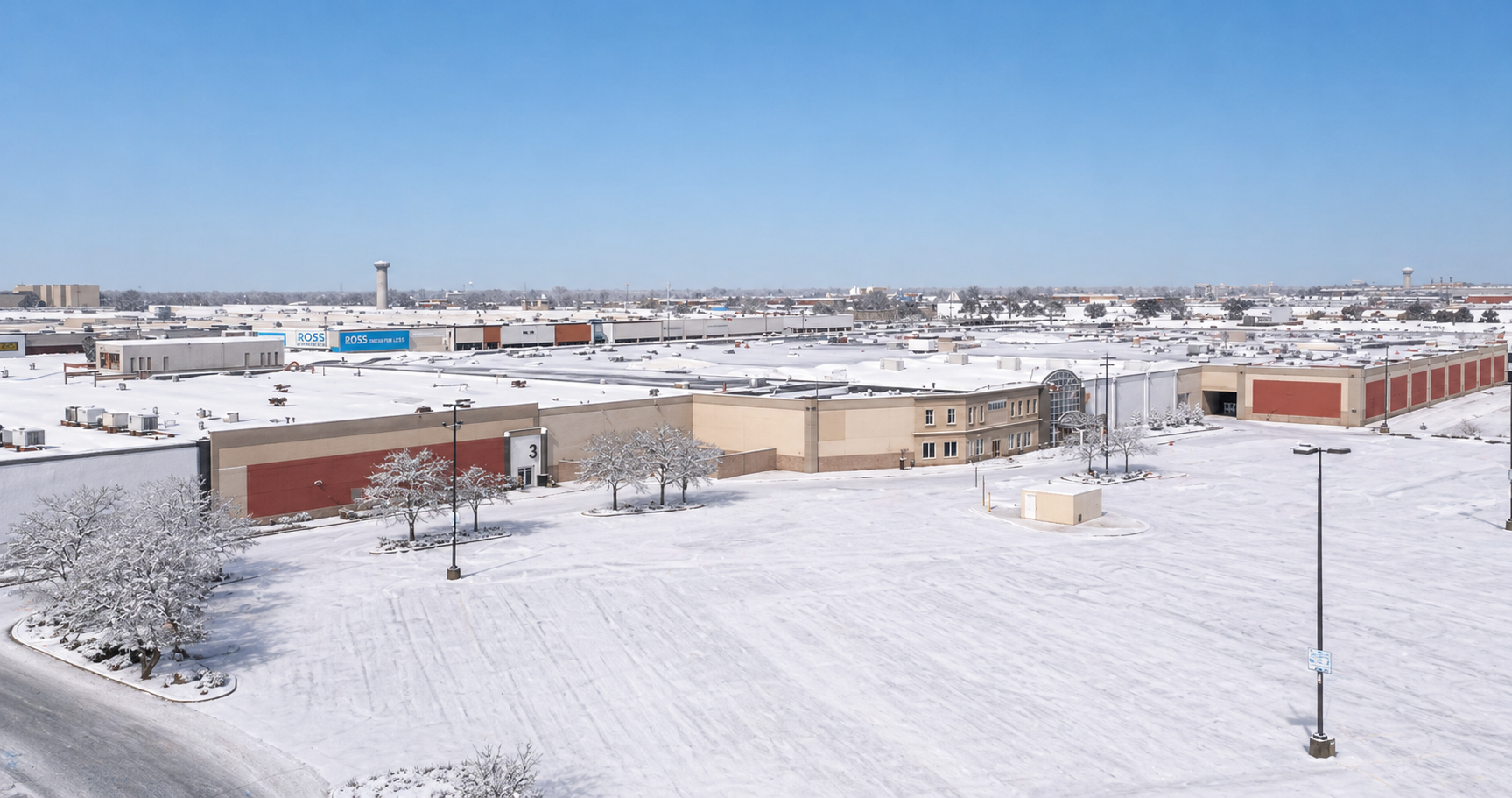
Bridge Industrial’s $150 million plan to demolish Ford City Mall and redevelop the site into a 913,000-square-foot warehouse complex marks a defining moment for Chicago’s Southwest Side—and a symbolic turning point for retail real estate across the city.
This isn’t just a single mall being reimagined. It’s a signal that in the face of e-commerce, shifting consumer habits, and underperforming assets, the highest and best use of retail properties is being fundamentally redefined.
 Retail’s Reckoning in Chicago
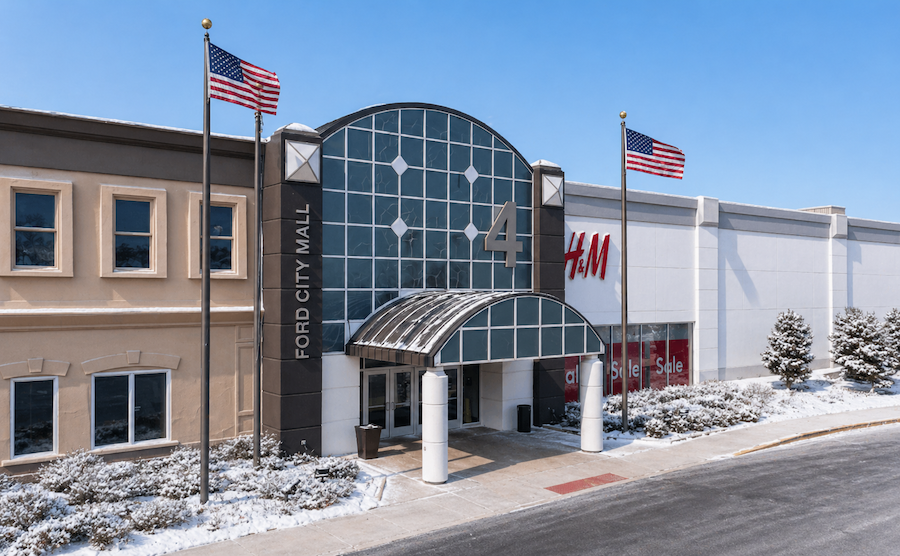
Ford City Mall, once a 960,000-square-foot regional shopping powerhouse, has been on a long downward slide. Anchor tenants like Sears, Montgomery Ward, and Carson’s disappeared years ago. Today, more than half of the mall sits vacant. JCPenney is the last major retailer standing.
Bridge’s plan to raze the property and replace it with four industrial buildings is perhaps the most decisive move yet in Chicago’s ongoing mall decline. While other properties have pursued incremental refreshes or partial redevelopments, this proposal makes one thing clear: retail as it existed in the 20th century has no guaranteed future in the 21st.
Why Industrial Makes Sense Now
The proposed redevelopment of Ford City comes at a time when demand for urban industrial space remains strong. Chicago’s industrial vacancy rate stood at 4.8% as of Q1 2025, just shy of record lows. Bridge Industrial, a veteran of projects in Melrose Park and Romeoville, is betting that logistics demand will continue to outpace supply in well-located, infill submarkets.
Situated on 66 acres just south of Midway International Airport, the Ford City site offers logistics connectivity, labor access, and industrial zoning potential, an ideal profile for a new distribution hub.
The plan includes 92 loading docks, nearly 1,000 parking spaces, and over 400 permanent jobs. With public engagement and city approvals ahead, Bridge is already outlining steps to minimize neighborhood impact, including diverting truck traffic away from residential streets and incorporating green buffers.
The Decline of Enclosed Malls—and the Rise of Reuse
What’s happening at Ford City is part of a broader pattern across the Chicago area:
-
Lincoln Mall in Matteson was demolished after years of decay and is now being reimagined for logistics and community development.
-
Hawthorn Mall in Vernon Hills is undergoing a multi-phase overhaul, with apartments and walkable amenities replacing dying retail.
-
Charlestowne Mall in St. Charles has seen various proposals, including warehousing, float through years of vacancy and underuse.
What sets the Ford City project apart is the complete erasure of the enclosed mall format. Rather than trying to salvage or refresh it, Bridge’s plan fully embraces a different use—one aligned with modern needs and economic realities.
This is no longer about adaptive reuse. This is about adaptive replacement.
 Conversions as a Growing Theme
While office-to-residential conversions dominate headlines downtown, the industrial world is pursuing its own kind of transformation, often retail-to-warehouse. Big box stores with wide clear spans, truck access, and proximity to highways make ideal conversion targets.
What Bridge proposes at Ford City is less a conversion than a teardown and ground-up redevelopment—but the theme is the same: take functionally obsolete retail, and deliver new relevance through industrial use.
These kinds of projects offer developers a path forward on properties with fading demand, while delivering communities job creation, tax revenue, and new investment—if they’re planned with care.
Local Tensions, Lasting Impact
Of course, not everyone is thrilled. Industrial redevelopment often brings concerns about truck traffic, emissions, and road wear, especially when it bumps up against residential neighborhoods. Suburban communities have pushed back on similar plans, and even in the city, approval is never guaranteed.
But when executed thoughtfully, these projects can revitalize dormant sites and serve as economic engines. Bridge’s commitment to neighborhood outreach and traffic mitigation will be key to winning support.
This redevelopment could become a new playbook for industrial investment in the city, particularly in corridors where traditional retail has lost its foothold but the bones of large-scale commercial property remain.
Looking Forward: What This Means for Owners, Investors, and Communities
The Ford City Mall plan is a wake-up call for retail property stakeholders across the region. If you’re holding a struggling mall or shopping center, now is the time to think creatively and act decisively.
Key takeaways:
-
Retail landlords must confront the reality that many enclosed malls no longer justify reinvestment. The exit strategy may now include industrial buyers, in addition to retailers and housing developers.
-
Developers should examine Chicago’s zoning and infill infrastructure closely for clues about where retail-to-industrial transitions could be viable.
-
Communities and policymakers will need to balance concerns over industrial uses with the economic benefits they can bring, especially in areas desperate for jobs and capital.
From Warplanes to Warehouses
There’s a full-circle irony here. Ford City Mall was built atop the remnants of a World War II-era aircraft plant. Now, decades later, it may return to industrial use not in the service of war, but in service of commerce.
Chicago’s commercial real estate market is changing—quietly but decisively. And the demolition of Ford City Mall may be one of the clearest signs yet of how retail’s past is giving way to industrial’s future.
If your interested in learning more about the value of a property or the Chicago commercial real estate market in general, please reach out to our team of commercial real estate agents here!
Sign Up For A Free Consultation