

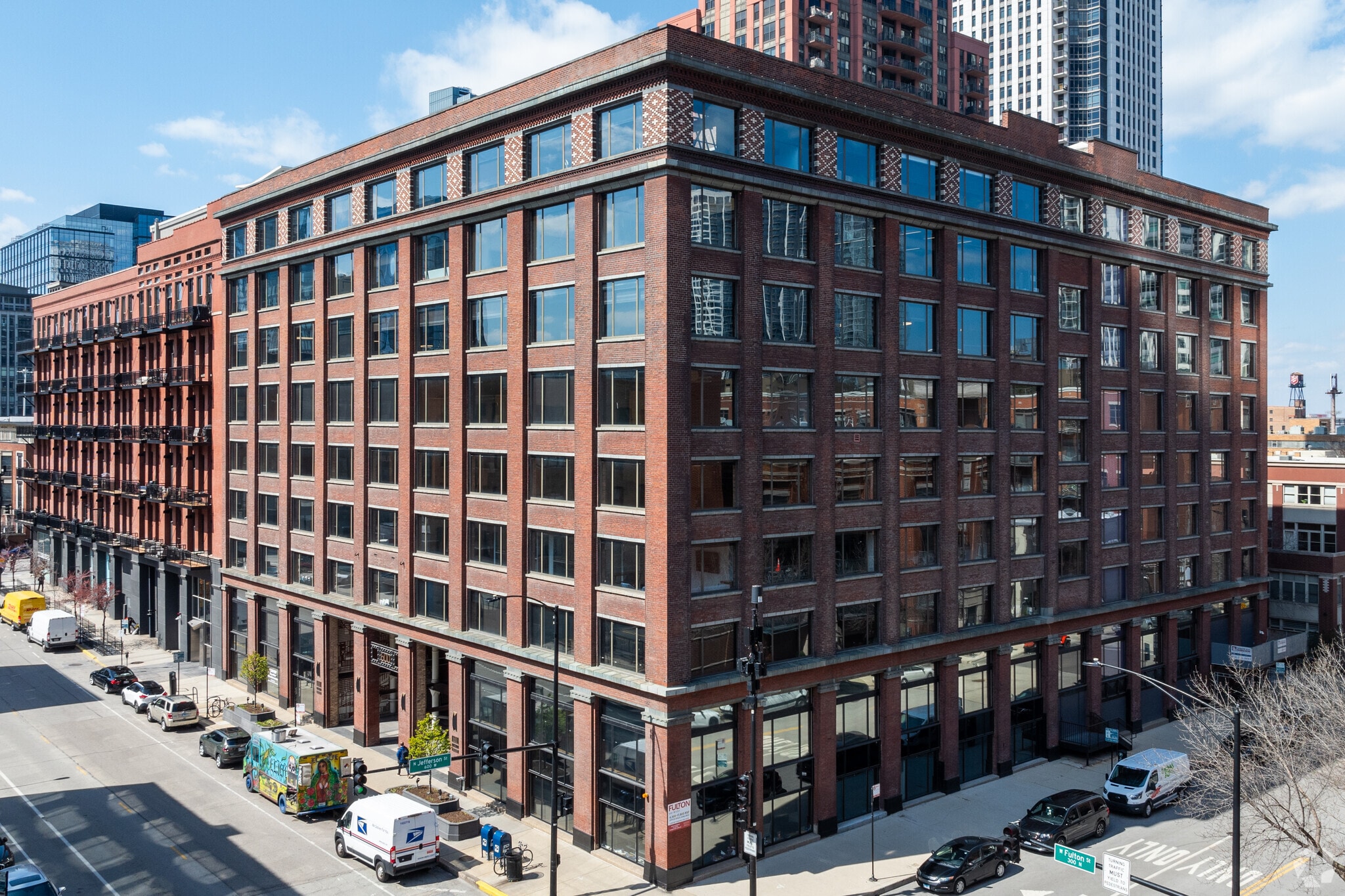
Chicago’s stressed office market has another test case: 600 West Fulton Street, a nine-story loft building once home to Sears Roebuck’s headquarters and distribution center, is up for sale with a $27 million loan coming due in late 2026.
Glencoe investor Randy Rissman, best known for co-founding Tiger Electronics, the company behind 1990s hits like Furby and Giga Pets, acquired the 215,000-square-foot property in 2006 for $31.7 million. Now, as office values plummet across downtown, bids are expected to land closer to $20 million, or under $100 per square foot, according to Crain’s.
The property’s fundamentals underscore the challenge. The building is just 58 percent leased, well below even Chicago’s record-low downtown average of 73 percent. Anchor tenant Epstein Global occupies 43,000 square feet through 2029, but the entire rent roll consists of just eight tenants with an average remaining term of 4.2 years, far from long-term stability.
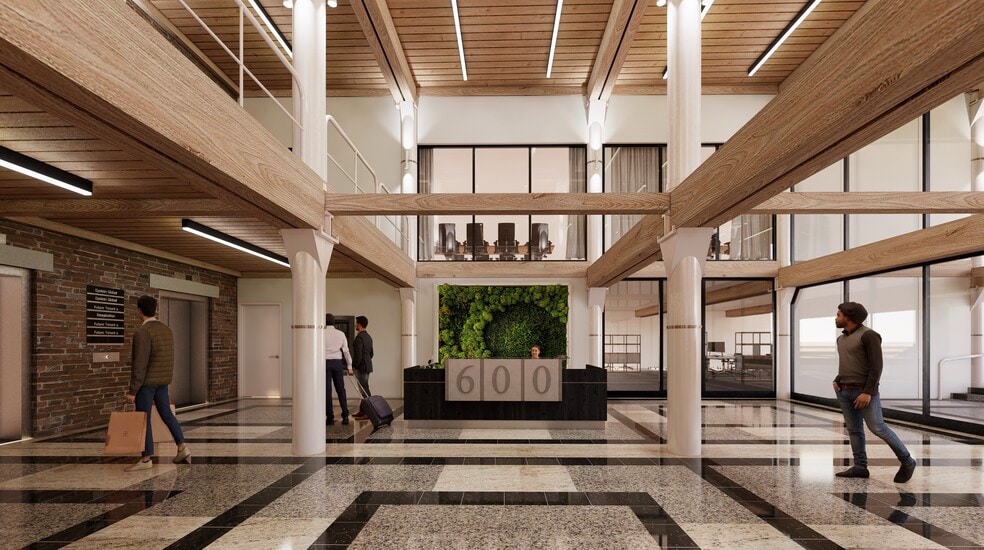
Still, Cushman & Wakefield, which is currently marketing the building, is positioning the deal as a discount play in Chicago office space. Rissman’s team has invested $10.5 million into capital improvements since 2012, including a lobby and amenity refresh in 2022. Proximity to the booming Fulton Market corporate hub is another selling point.
Whether that will be enough to overcome capital markets headwinds remains to be seen. Lenders have shown little patience for underperforming assets: both 190 South LaSalle Street and other downtown towers have already seen owners and banks brace for write-downs or foreclosure. Lincoln National Life Insurance, holder of the $27 million mortgage, will ultimately need to sign off on any sale at a discount.
For Rissman, real estate has been a second act following his toy empire. He also owns 220 North Green Street, redeveloped for Workbox co-working, and 500 Davis Street in Evanston. But at 600 W. Fulton, he faces the same pressures squeezing landlords across the city, an unforgiving market for office conversions and a lending environment where commercial real estate agents are increasingly forced to sell at a loss rather than hold out.