

Boutique Offices Are Flourishing in the Post-COVID Landscape
When the COVID-19 pandemic forced a global reset of how, when, and where we work, it exposed the vulnerabilities of traditional, monolithic office models. Lockdowns, remote work mandates, and a rethink of workplace culture disrupted entrenched norms. As companies now navigate hybrid work patterns, shifting employee expectations, and volatile real estate markets, a new star has emerged: the boutique office space. These smaller-scale, high-experience, flexible workplaces are gaining traction. Below are key reasons why boutique offices have flourished post-COVID, and why they may continue to reshape the commercial real estate and workplace ecosystem.
1. The Demand for Flexibility & Adaptability
One of the most significant shifts caused by the pandemic is the acceptance that work doesn’t always have to happen in one fixed place or on a rigid schedule. Hybrid work models—where employees split time between home and the office are now widely adopted.
Large, conventional office leases (5–10+ years) became a liability in this new regime. Many firms want to avoid being locked into long-term, underutilized square footage. Boutique offices, by contrast, often come with shorter, more flexible lease terms, modular footprints, and the ability to scale up or down more nimbly.
Because boutique offices are smaller and more agile, they are well positioned to adapt to shifting occupancy patterns, restructuring, or changes in team size. They provide a lower-risk “step-in” solution for companies transitioning from full commitment to more cautious real estate strategies.
2. Flight to Quality — From Quantity to Experience
In a world where many traditional office buildings suffer from high vacancy rates and stale interiors, companies and employees are demanding more from their work environments. Two trends dominate:
-
Quality over quantity. Rather than maximizing leased square footage, organizations are choosing better-designed, amenity-rich spaces that help attract talent, support collaboration, and deliver “return to office” incentives.
-
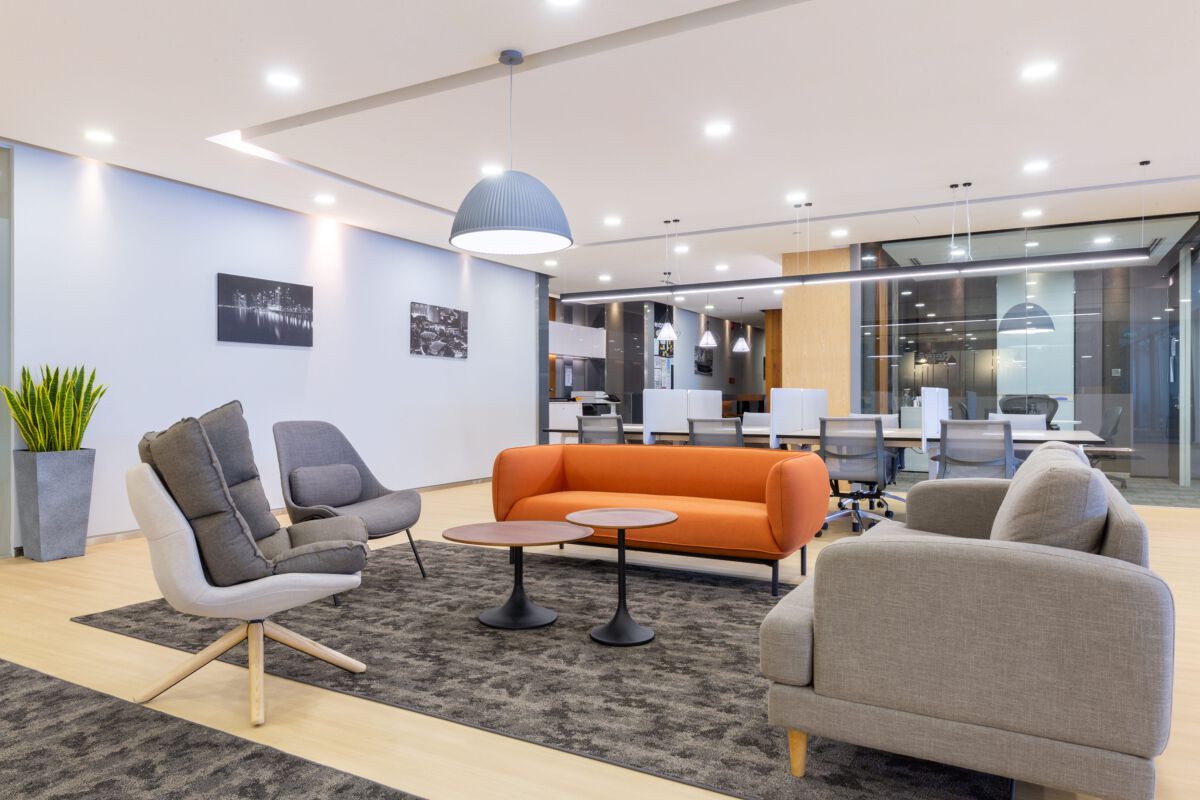
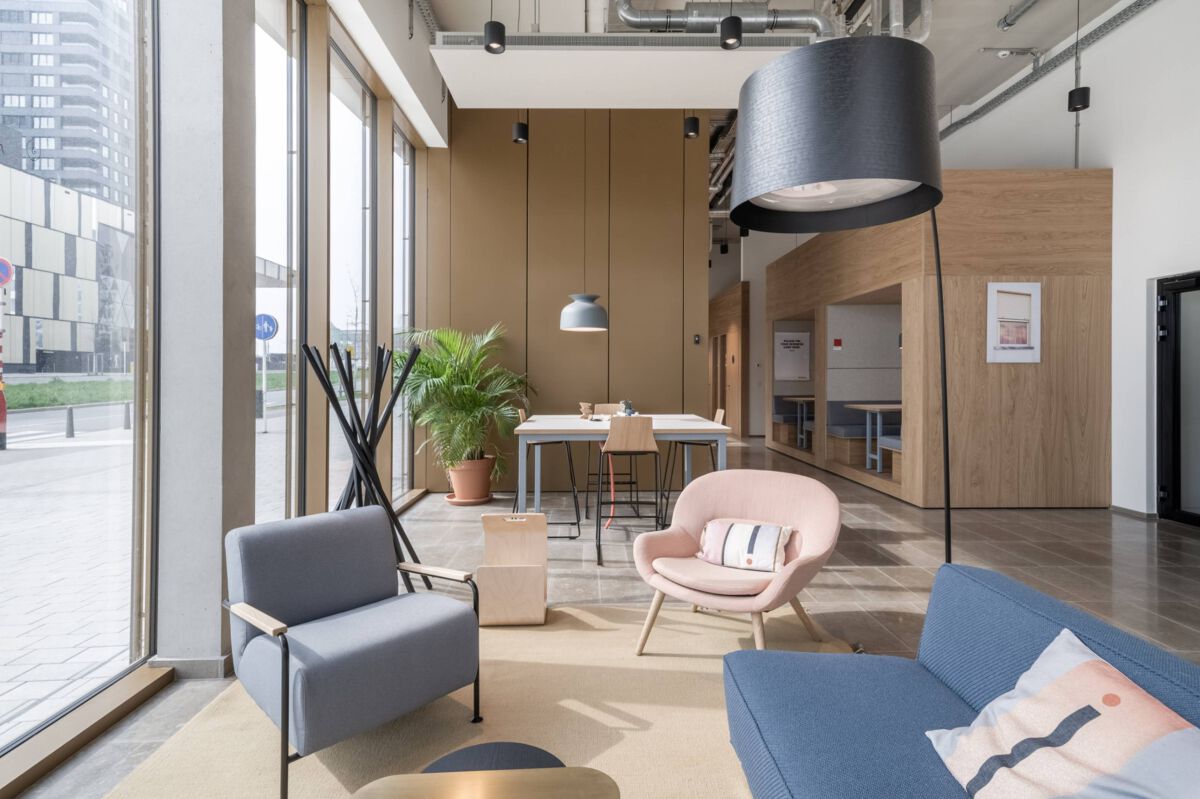
Experience as a differentiator. Boutique offices lean heavily on character, design, identity, and service. They aim to feel more meaningful than simply a place to sit at a desk. Think custom architecture, exposed materials, integrated greenery, flexible breakout zones, and places for community events or wellness.
This “flight to quality” gives boutique offices a strategic advantage. In many markets, tenants are willing to pay a premium for spaces that feel unique, thoughtful, and supportive of employees’ experience—rather than ordinary, cookie-cutter shell spaces.
3. Right-sizing & the Subdivision Movement
The pandemic compelled many companies to downsize or reconfigure their real estate footprints. With fewer people in-office on any given day, there’s less need for large contiguous floorplates.
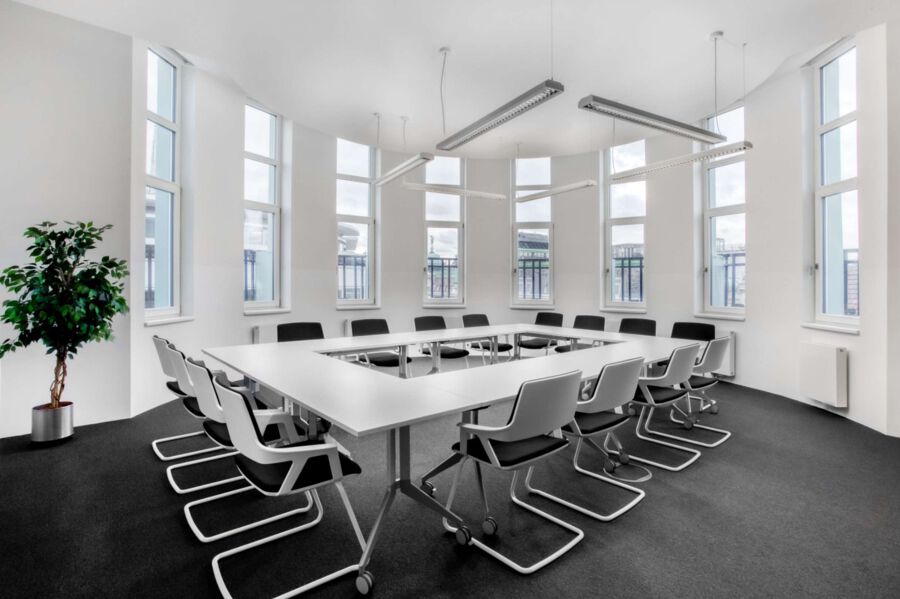
Boutique offices, being inherently smaller, satisfy this need for “right-sizing.” Moreover, landlords and flexible workspace operators have responded by subdividing large floors into smaller units or micro-offices to meet demand from smaller teams, startups, satellite offices, or companies testing hybrid models.
As an example, in London, a flexible workspace provider is converting larger floor areas into units under 1,000 sq ft to capture rising demand among small and medium businesses. This trend is mirrored elsewhere: the demand for smaller footprint offices has become pronounced in many major markets.
4. Re-imagined Workplace as “Third Space” & Blended Use
One of the philosophical shifts post-COVID is that the office is no longer simply a place to work—it’s a destination. Boutique offices increasingly incorporate elements of hospitality, wellness, social life, and culture. They blur the line between workplace and lifestyle amenity.
Scandinavian firms, for instance, have begun transforming offices into mixed venues, hosting small exhibitions, wellness classes, rooftop gardens, urban farming, pop-up events—turning them into community hubs rather than sterile cubicle farms.
This idea of the office space as a “third space” (neither home nor pure work) aligns with changing expectations: employees want somewhere inspiring, sociable, and equipped to support varied modes of work (focus, collaboration, informal meetups). Boutique offices are better suited to deliver that “feel” because of their scale and focus on design.
5. Cost Efficiency & Leaner Operations
Although boutique offices often come with elevated finishes and amenities, their smaller scale can yield cost advantages. Maintaining a large corporate tower involves significant overhead: HVAC, security, common area maintenance, capital improvement costs, utility load, and so on. Smaller boutique offices can be more lean.
Moreover, because boutique operators often bundle services (janitorial, tech stack, community management) into the lease, tenants may avoid operating complexity. The all-in nature of boutique offices can reduce the burden on companies to manage ancillary services.
From the landlord’s perspective, boutique offices may reduce vacancy risk in a shaky leasing climate because demand is diversifying toward smaller tenants. Filling smaller pockets often counterbalances risk from large anchor departures.
6. Talent Attraction, Retention & Branding
Post-COVID, the battle for talent has intensified. Many workers now expect greater flexibility, better amenities, and a more human-centric environment when they come into the office. Firms are increasingly viewing their office footprint as part of their employer brand.
A boutique office, with thoughtful spaces for collaboration, breakout lounges, wellness niches, art, natural light, and attention to detail, can help reinforce culture, identity, and pride of place. It says: “We care about your experience when you come to the office.”
For smaller or medium-sized companies especially, leasing a full skyscraper floor may not align with their brand or scale. Boutique offices deliver “big-company feel in a more personal scale” which resonates well with mission-driven, creative, or agile businesses.
7. Infrastructure, Technology & Smart Design
The post-pandemic office must be digitally fortified: touchless access, air quality monitoring, flexible partitions, health sensors, collaboration technology, and hybrid meeting support. Boutique offices can more nimbly integrate these features without being hamstrung by legacy infrastructure or retrofitting constraints.
Because they are often newer or more experimental, boutique offices attract investment in smart building systems, green certifications, and wellness design. Tenants appreciate spaces that feel “future-ready.”
Similarly, boutique spaces often excel at spatial agility. Moving a partition, reassigning a zone for flexible desks or quiet pods, these are easier in a more modular, smaller-scale environment.
8. Market Dynamics & Landlord Strategy
The commercial real estate market, especially in major urban centers, is under pressure. Vacancy rates in many core office districts rose sharply post-pandemic.
Landlords faced with vacant floors are incentivized to diversify product type. Converting or designing boutique-style spaces becomes a hedging tactic: attract smaller tenants, co-working operators, niche users, or hybrid-first companies that won’t touch large, legacy floorplates.
The demand side is also shifting. Rather than one or two large tenants, landlords now aim for a portfolio of smaller tenants to de-risk occupancy. Boutique modules facilitate that.
Additionally, because boutique offices tend to charge a premium per square foot (for quality, location, experience, amenities), landlords can maintain yield even while leasing less total area.
Challenges & Risks (and How Boutique Offices Can Mitigate)
Of course, boutique offices aren’t a silver bullet. There are challenges:
-
Economies of scale. Smaller operations sometimes struggle with fixed costs (e.g. central building systems, security).
-
Fragmented tenant mix. Managing many small leases can be more complex.
-
Capital investment. High-end finishes, smart infrastructure, and amenity features demand upfront capital.
-
Location constraints. Boutique offices still need to be in desirable, accessible zones to attract users.
But many boutique operators and developers are mitigating these by:
-
Centralizing shared services (concierge, maintenance, IT) across multiple boutique sites.
-
Leaning on co-working operators or platform providers to drive demand and fill space.
-
Emphasizing flexibility in layout, lease terms, and modular design to reduce friction and time to occupancy.
Outlook: Will Boutique Offices Become the Norm?
The long-term viability of boutique offices will depend on several factors:
-
Hybrid work stability. If organizations settle into a stable rhythm of in-office frequency, boutique office demand may stabilize accordingly.
-
Talent expectations. If workers continue to prioritize quality spaces, access to amenities, and flexible environments, boutique offices will retain appeal.
-
Market segmentation. Large corporations with 1,000+ employees may still prefer flagship Corporate campuses or towers, but for the hyper-growth, mid-tier, creative, or hybrid-first firms, boutique is increasingly the default.
-
Innovation in design. The boutique space must continue to evolve in resilience, wellness, sustainability, and adaptability to stay differentiated.
Given current trends, flight to quality, desire for agility, and distributed office strategies, it seems likely boutique offices will maintain and perhaps expand their share of the office ecosystem. They aren’t replacing all traditional office spaces, but they are becoming an essential, high-growth segment in the post-COVID real estate order.
For more on what’s happening in the Chicago office market, reach out to our team of commercial real estate agents today!