

The State of the Chicago Commercial Real Estate Market: Q3 2025 Insights
Chicago’s commercial real estate market in Q3 2025 is sending mixed signals. On one side, downtown office vacancy hovers at record highs. On the other hand, industrial space near O’Hare and Elk Grove is essentially tapped out, with vacancy rates below 2%. Investors are circling office towers not for their leases, but for their redevelopment potential. Meanwhile, industrial outdoor storage (IOS) yards—once an afterthought have grown into a $200 billion national asset class.
As a commercial real estate agent closing over a hundred deals each year across the region, I’ve seen firsthand how tenants, landlords, and investors are navigating these crosscurrents. In this post, I’ll break down what’s happening by asset class: office, industrial, multifamily, and redevelopment , and by submarket, from downtown to O’Hare, Elk Grove, and Lake County.
Office Space: A Market of Extremes
Downtown: Record Vacancies and Conversion Plays
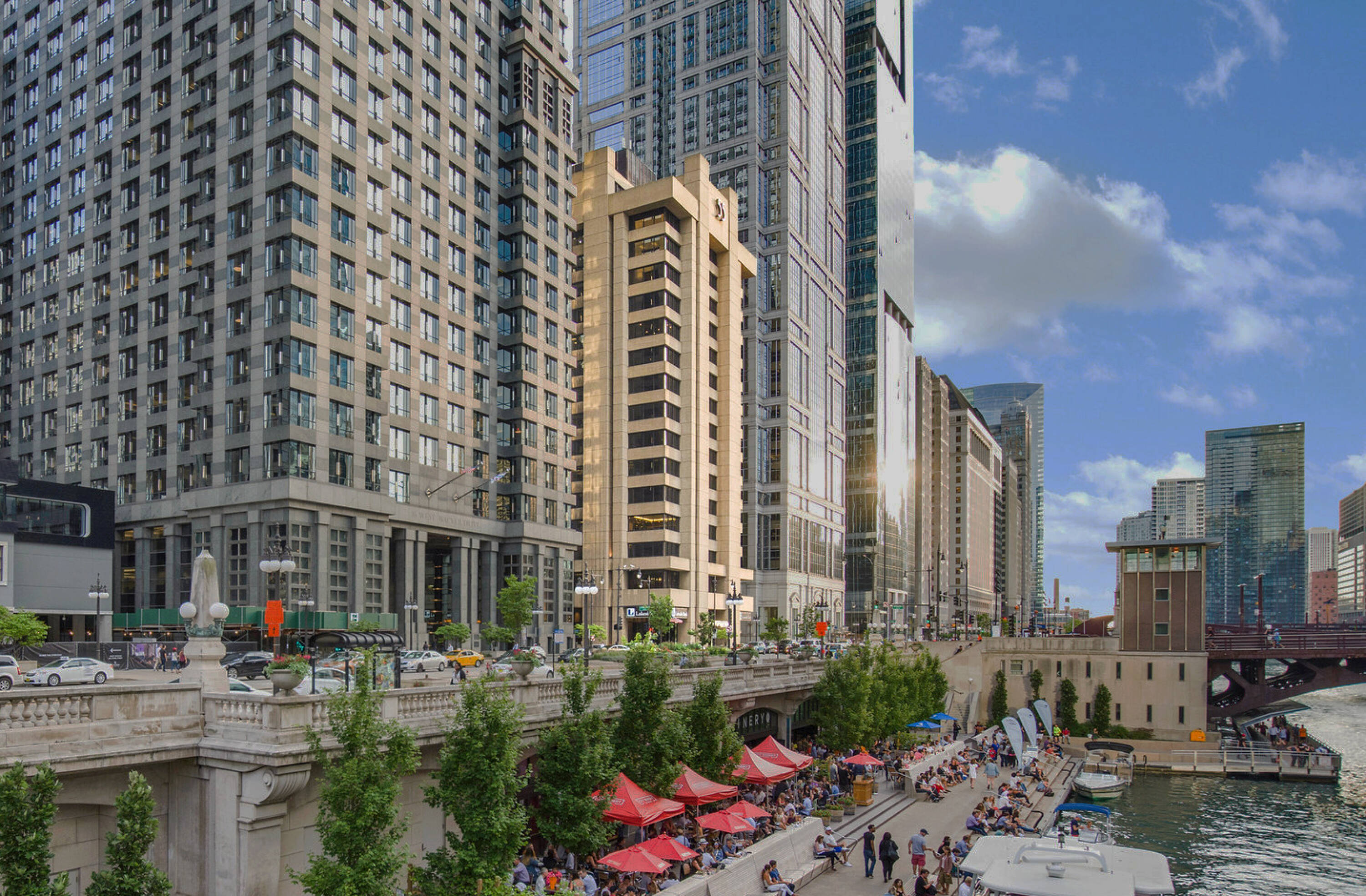
Chicago’s central business district is facing unprecedented pressure. Office space vacancy is near 27%, the highest on record. For commodity towers in the Loop, the competition is no longer about winning tenants—it’s about finding a future use.
The City’s LaSalle Street Reimagined program highlights that future. More than 1,700 new residential units are planned through office conversion projects, including 30 North LaSalle, which will deliver 349 apartments (100+ affordable). Investors shouldn’t underwrite deals based on 2010 rent assumptions; this is an office conversion play as much as it is a land investment. Returns are increasingly tied to TIF dollars, zoning approvals, and the ability to execute complicated repositioning projects.
Trophy towers and properties in Fulton Market still attract capital, but outside of those select pockets, survival favors the most creative owners. For tenants, however, this is the most tenant-friendly office market in 20 years, with concessions and improvement packages rivaling those last seen during the financial crisis.
Redevelopment: The Glue Between Asset Classes
Redevelopment is increasingly the connecting thread across office, industrial, and multifamily. The story isn’t about forcing invasive uses into resistant neighborhoods. It’s about aligning obsolete assets with community-compatible end uses.
Examples abound:
-
The Allstate campus in Glenview transformed into a clean logistics hub rather than a truck yard.
-
The LaSalle Street corridor is being repositioned through office conversions, adding more than 1,700 units downtown.
For investors, this is the real upside. Buy obsolete office or retail at land value, then work with municipalities on approvals for multifamily, clean industrial, or flex space. Communities support projects that fit their vision, which lowers entitlement risk and speeds approvals.
For occupiers, redevelopment translates into modern, right-sized space—whether efficient industrial facilities or better-quality apartments. The office conversion play not only stabilizes neighborhoods but also delivers new residential supply at a time when demand for urban housing remains strong.
Key Takeaways for Q3 2025
-
Office space: Downtown vacancy at 27% signals deep distress, but also fuels office conversion plays and land redevelopment. O’Hare and Oakbrook submarkets still have resilience, while B and C assets across the region trend toward repositioning.
-
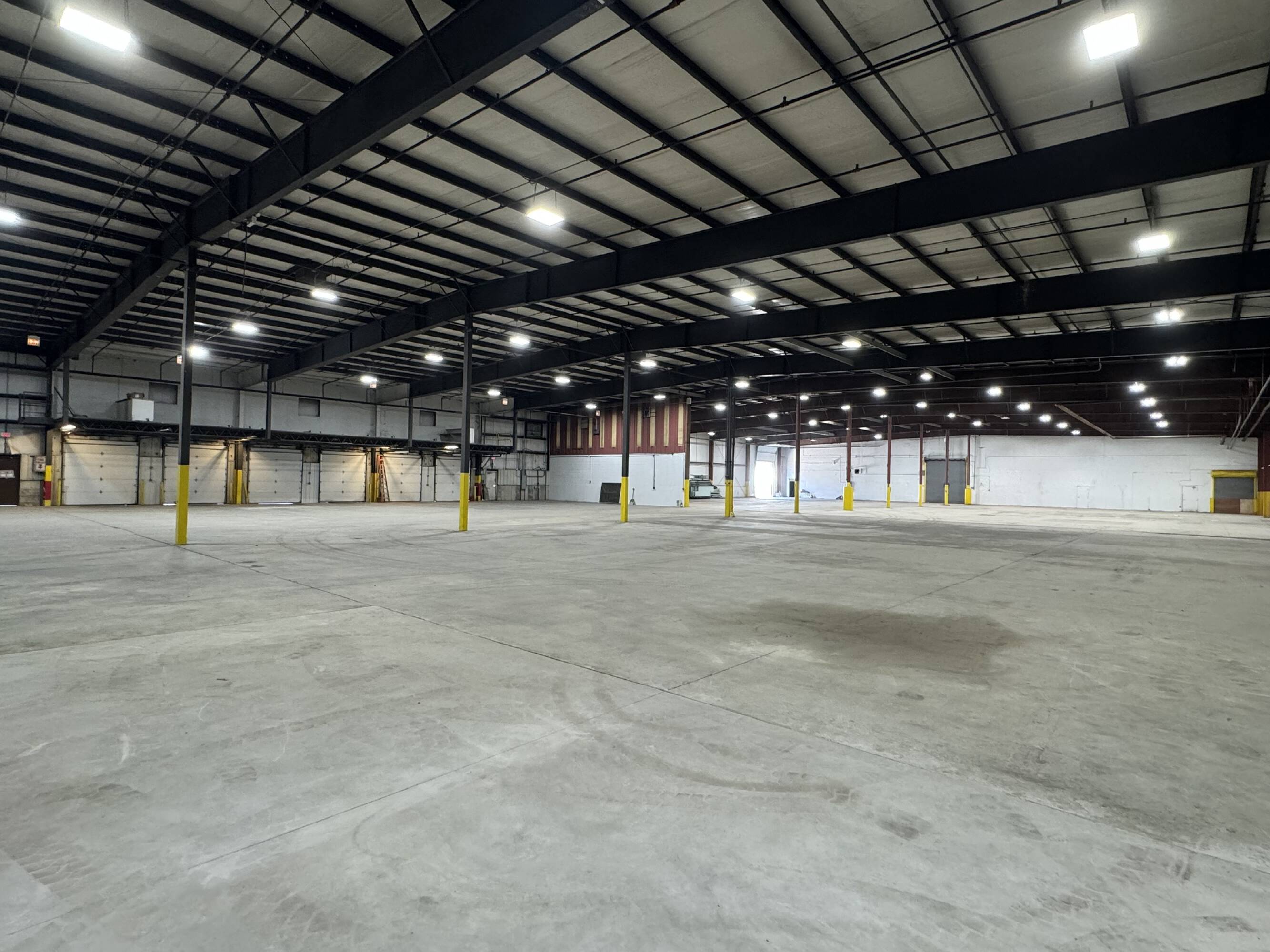
Industrial space: Still the healthiest sector. Elk Grove and O’Hare remain landlocked powerhouses, while Lake County thrives on execution and life science demand.
-
Multifamily: Digesting supply now but set up for firming rents by 2026–2027.
-
IOS: A $200 billion national niche where scarcity guarantees value.
-
Redevelopment: The ultimate value play—converting obsolete assets into community-compatible uses like multifamily, clean industrial, flex space, and office conversions.
Closing Thoughts
Chicago’s commercial real estate market is splitting. Commodity office towers are on their way out, Class A industrial is nearly untouchable, and multifamily is entering a new cycle of strength. For investors, the smartest money is chasing infill redevelopment. For tenants, leverage is finally back on the table in both office and industrial leasing.
As a commercial real estate agent working across Chicago’s diverse submarkets, my advice is clear: follow the fundamentals, understand the lifecycle of your asset class, and don’t ignore the office conversion play that is reshaping downtown. The opportunities are there—but only if you connect the dots.
If you’d like tailored insights or are exploring opportunities in office space, industrial space, multifamily, or office conversions, reach out at vvco.com and subscribe to The Real Finds Podcast on YouTube, Spotify, or Apple Podcasts.