

Aligning Workspaces With Your Corporate Brand
For years, office space was treated as a neutral container. Square footage was optimized, lease rates were negotiated, furniture was selected, and branding stopped at a logo in the lobby. That mindset no longer works.
Today, the office is not just a cost center or a place to house employees. It is one of the most visible expressions of a company’s identity. Whether intentional or not, your workplace communicates values, priorities, culture, and ambition to employees, clients, recruits, investors, and partners.
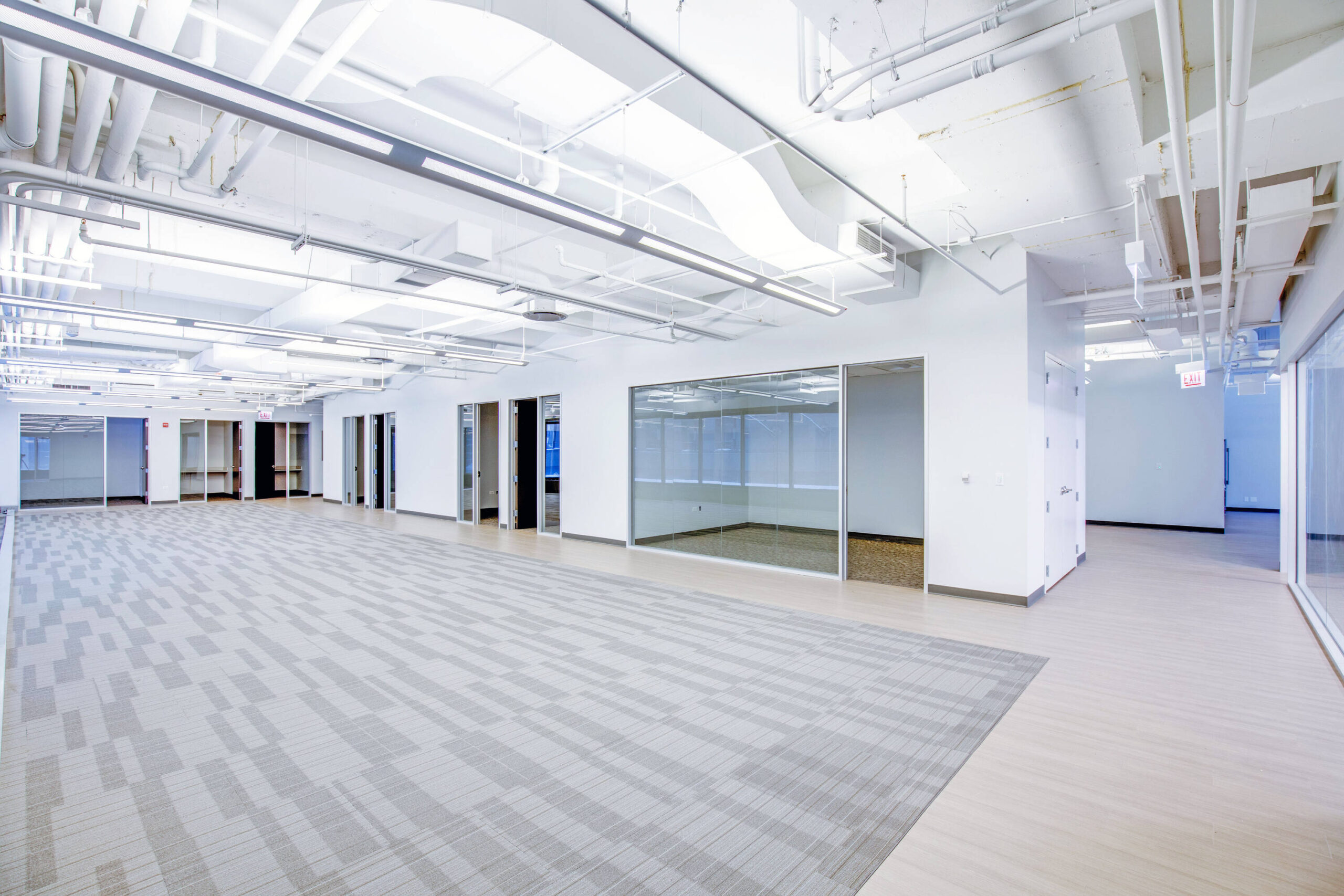 Across episodes of The Real Finds Podcast, one theme consistently emerges from operators, designers, executives, and strategists alike: offices that fail to align with corporate brand quietly erode trust, engagement, and long-term performance. Offices that align well, on the other hand, become strategic assets.
The Office as a Physical Manifestation of Brand
Brand is often discussed in abstract terms. Mission statements, values decks, and marketing campaigns are easy to articulate. The office is harder. It forces decisions.
Is the company hierarchical or collaborative? Conservative or experimental? Human-centered or efficiency-driven? Long-term focused or short-term transactional?
Those answers show up physically whether leadership intends them to or not.
On The Real Finds Podcast, Jimmie Brennan discussed how employees instinctively read signals from space before leadership ever speaks. Layout, materials, lighting, acoustics, privacy, and even circulation patterns convey who is valued and how work is expected to happen. When there is a mismatch between stated values and spatial reality, people notice immediately.
A company that claims to value collaboration but assigns people to isolated, windowless spaces sends a clear message. So does a company that markets itself as innovative while operating out of tired, inflexible space designed for a different era of work.
Alignment Builds Credibility Internally and Externally
Brand alignment is not just an internal concern. Clients and partners experience your brand long before a pitch deck appears.
Several Real Finds guests have emphasized that first impressions increasingly happen inside the workplace. Board meetings, site visits, interviews, and vendor meetings all occur in physical space. An office that reinforces your story builds credibility without saying a word.
Conversely, a misaligned office creates friction. Clients sense inconsistency. Recruits question whether the culture matches the job description. Investors quietly recalibrate expectations.
The most effective offices do not shout brand. They embody it.
Office Design Is a Strategic Leadership Decision
One of the most common mistakes discussed on the podcast is delegating office decisions too far down the organizational chart. Real estate, facilities, or procurement teams are asked to solve a problem that is fundamentally strategic.
Office alignment starts at the executive level. It requires leadership to answer uncomfortable questions honestly.
What behaviors do we actually reward? How much autonomy do we trust people with? Are we optimizing for speed, precision, creativity, or stability? How do we want people to feel when they arrive each morning?
Guests across multiple Real Finds Podcast episodes have noted that the strongest outcomes occur when leadership treats office decisions with the same rigor as capital allocation or talent strategy. Space planning becomes an extension of corporate governance, not a design exercise.
Flexibility Without Losing Identity
Hybrid work has complicated this conversation, but it has not eliminated it. In fact, it has raised the stakes.
When employees are in the office fewer days per week, each visit carries more weight. The office must justify the commute by delivering something people cannot get at home. That “something” should be deeply connected to brand.
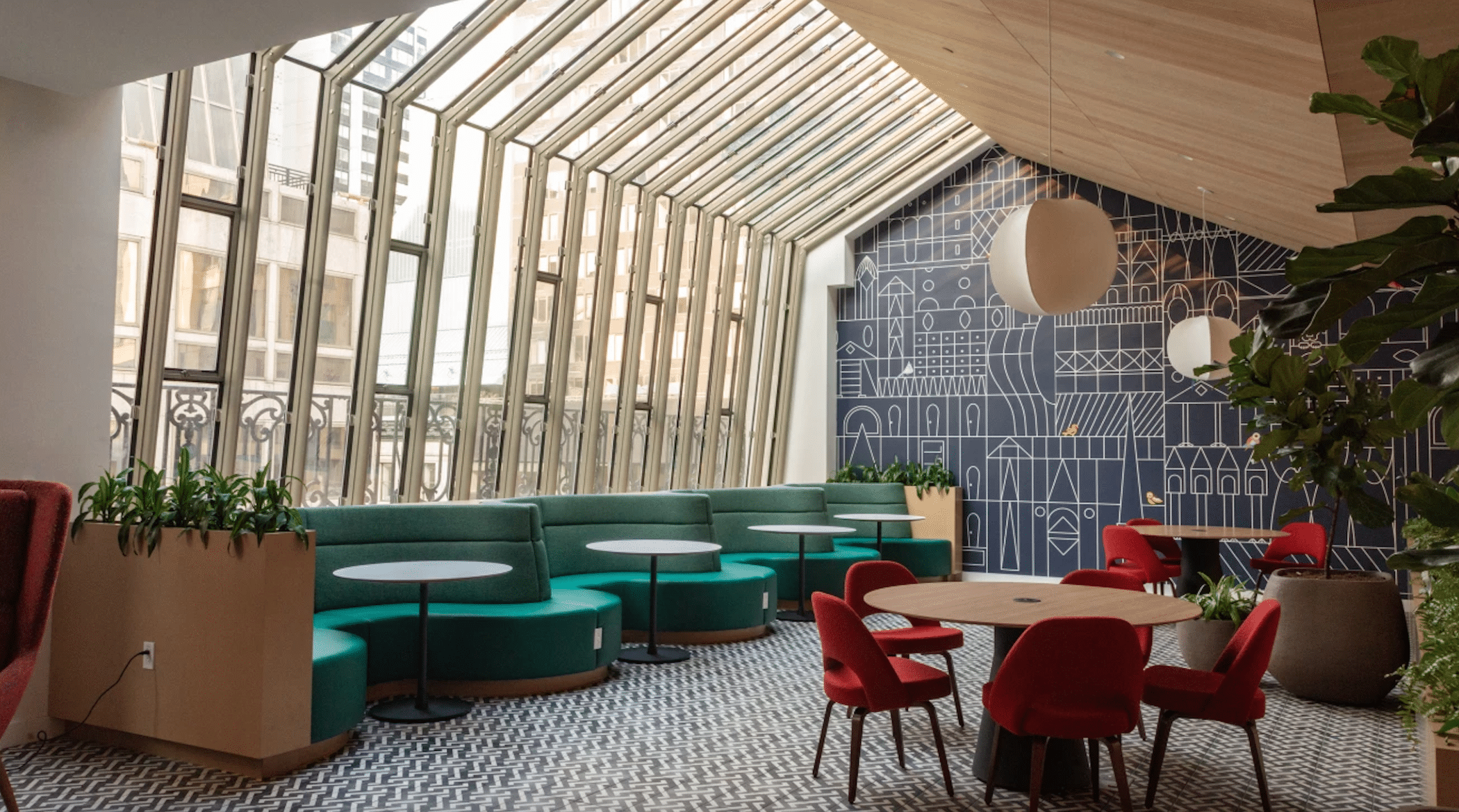
On the podcast, several guests pointed out that flexibility does not mean neutrality. Companies can support hybrid work while still creating spaces that reflect who they are. Flexible offices that lack identity feel interchangeable and forgettable. Flexible offices with clear brand DNA become magnets.
This might show up through hospitality-level amenities, intentional social spaces, workshop zones, or areas designed specifically for mentoring and knowledge transfer. The form varies, but the principle remains constant: flexibility should reinforce identity, not erase it.
Culture Is Reinforced Through Daily Friction or Flow
Culture is not created by slogans. It is shaped by repeated daily experiences.
Does the space make it easy to collaborate or hard? Does it support focus or constant interruption? Does it encourage mentorship or isolation? Does it reflect trust or control?
Across The Real Finds Podcast catalog, guests repeatedly emphasized that offices quietly train behavior. If meeting rooms are scarce, people avoid collaboration. If privacy is impossible, focus work suffers. If leadership spaces are physically elevated and isolated, hierarchy becomes embedded.
When offices align with brand, friction decreases. People move through space intuitively. Workflows feel natural. The environment supports the way the company actually wants to operate.
Recruitment and Retention Are Now Spatial Challenges
In competitive talent markets, compensation alone is not enough. Candidates evaluate employers holistically, and space is part of that equation.
Podcast guests have shared that high-performing organizations increasingly treat the office as part of their employee value proposition. It signals investment in people, respect for time, and clarity of purpose.
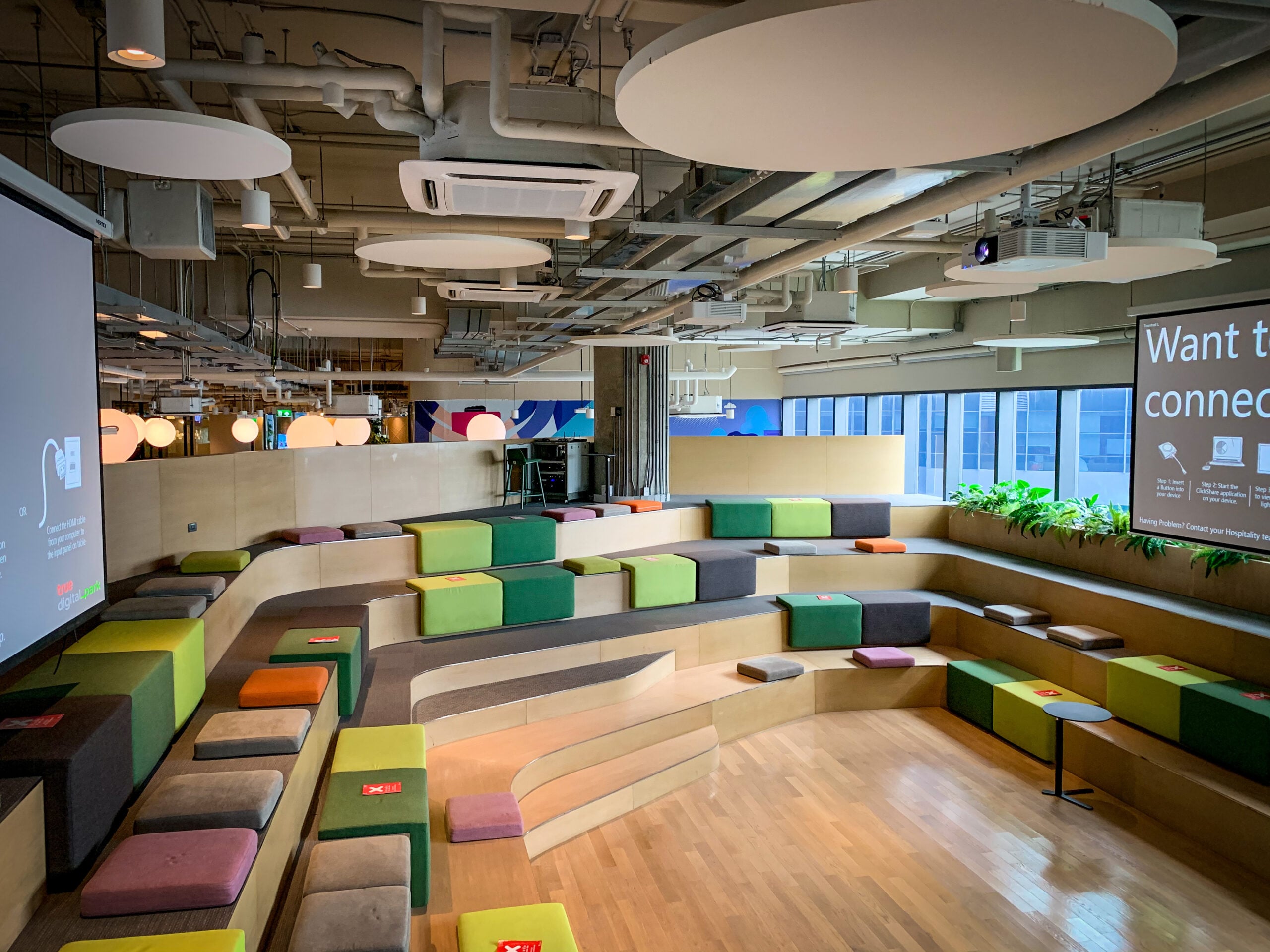 Importantly, this does not require extravagance. Alignment matters more than spend. A modest office that clearly reflects a company’s values outperforms a high-budget space with no narrative.
Employees want coherence. When what leadership says matches what they experience physically, trust compounds.
Avoiding the Trap of Trend-Driven Offices
One recurring warning from Real Finds conversations is the danger of chasing trends. Open offices, hot desking, and amenity arms races have all been adopted reflexively, often without alignment to how organizations actually operate.
Trend-driven offices age quickly and often require expensive corrections. Brand-aligned offices age far better because they are grounded in purpose rather than fashion.
The most successful spaces discussed on the podcast were not the most photogenic. They were the most intentional. They started with values and workflows, not renderings.
Office Alignment Is a Long-Term Asset Strategy
From a real estate perspective, brand alignment also protects long-term value. Offices designed around clear principles adapt more easily as organizations evolve. They support growth, contraction, and reconfiguration without losing identity.
Several Real Finds Podcast guests emphasized that thoughtful alignment upfront reduces churn, renovation costs, and morale issues later. It also improves decision-making during lease renewals, expansions, and relocations because leadership has a clear framework for evaluating space.
In this sense, office alignment is not just cultural. It is financial.
The Office as a Signal of Seriousness
In uncertain markets, clarity matters. Companies that invest thoughtfully in aligned workplaces signal seriousness to employees and external stakeholders alike.
They communicate that leadership is intentional, long-term oriented, and willing to make difficult decisions about how work happens. That signal becomes increasingly valuable as markets, labor dynamics, and technology continue to shift.
As discussed across The Real Finds Podcast, offices are no longer passive backdrops. They are active participants in organizational performance.
Final Thought
Every office already communicates a brand. The only question is whether that message is intentional.
When office space aligns with corporate brand, it reinforces culture, builds credibility, supports talent, and enhances long-term value. When it does not, it quietly undermines all of the above.
The most effective organizations treat office space not as a real estate problem, but as a leadership opportunity.
For more on maximizing the value of commercial real estate, please reach out to our team of Chicago commercial real estate brokers.